Koh Samui
Thailand · Southeast Asia
Thailand's second-largest island, on the Gulf side, with coconut lowlands, a granite interior and hillside wellness retreats such as Kamalaya.
Why visit
Why visit Koh Samui
Go to treat Samui as a place to stay rather than to tour. Its appeal lies in programmes of rest, from yoga to medically supervised stays, set on hillsides above the sea, and in a climate that is fairly dry from April to September, when much of Thailand has its monsoon.
Kamalaya is built around Arjan Cave, a natural cavern that Buddhist monks used for meditation for centuries and that is still open to guests.
Explore
What to see
The island’s temples are the easiest day out. The Big Buddha at Wat Phra Yai, built in 1972 in the north-east near Bang Rak beach, stands on a small island reached by a causeway, and Wat Plai Laem, close by, has an 18-armed Guanyin rising from a lake. In Bophut, the Fisherman’s Village is a row of old wooden shophouses that have become hotels, restaurants and bars, with a Friday walking-street market. Hin Ta Hin Yai, the Grandfather and Grandmother rocks, are near the southern end of Lamai beach.
West of the island, Ang Thong Marine National Park is an archipelago of mostly uninhabited islands visited on day boats for kayaking, snorkelling and a viewpoint over the Emerald Lake on Koh Mae Koh. The park closes to tourism for part of the monsoon, so check the current notice from the Department of National Parks.
Hotels
Where to stay in Koh Samui
The coast divides into distinct areas. Chaweng is the largest and most developed beach, with luxury hotels and nightlife; Lamai, to its south, is more about bars and beach lounges; Bophut has the Fisherman’s Village and a relaxed pace; Mae Nam and Choeng Mon on the north shore are quieter. The south coast has small beaches such as Ban Hua Thanon, Na Khai and Laem Set.
Dining
Where to eat in Koh Samui
Southern Thai cooking is spicy, and typical dishes on the island include massaman curry and khanom jeen, rice noodles in a fish-curry sauce; coconut, seafood and fruit such as rambutan are everywhere.
The Journal
Latest on Koh Samui
Before you go
Practical information
Best time to visit
Samui is fairly dry from April to September and wettest from October to December, with November the rainiest month at about 445 mm. January and February are named as the best months, and February to June is peak season; January can be windy. Annual rainfall averages about 1,994 mm, and temperatures stay near 28°C all year.
Getting around
Samui International Airport, served mainly by Bangkok Airways, is the island’s only airport. The alternative is a bus and ferry service from Surat Thani on the mainland, a journey of about three hours. Nathon, on the west coast, is the port and administrative centre. Most visitors rely on taxis or hired vehicles, and distances between beaches are long enough to plan each day around one area.
Practical notes
Menus aimed at visitors can be priced differently from local menus, so ask. Boat tours to Ang Thong depend on weather and on the park’s seasonal notice.
Continue exploring
More from Thailand
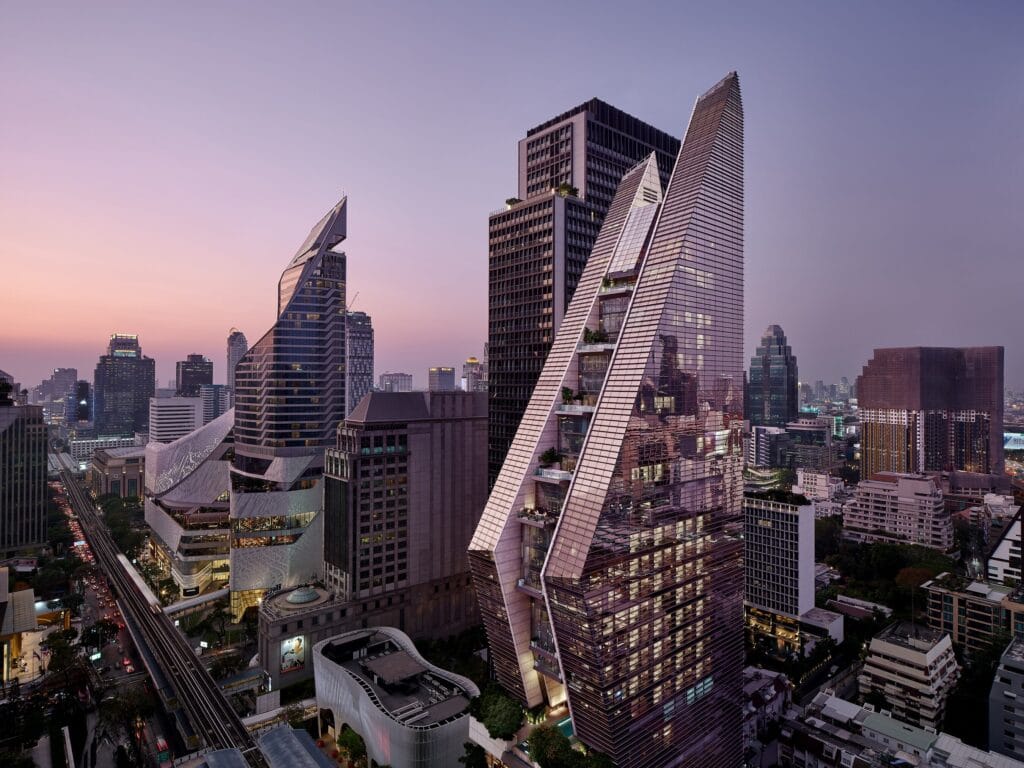 ThailandBangkokThailand’s river capital: the Grand Palace and Wat Pho on the east bank, Wat Arun opposite, a creative quarter along Charoen Krung and a restaurant scene that holds both of Thailand’s three-star kitchens.Explore Bangkok →
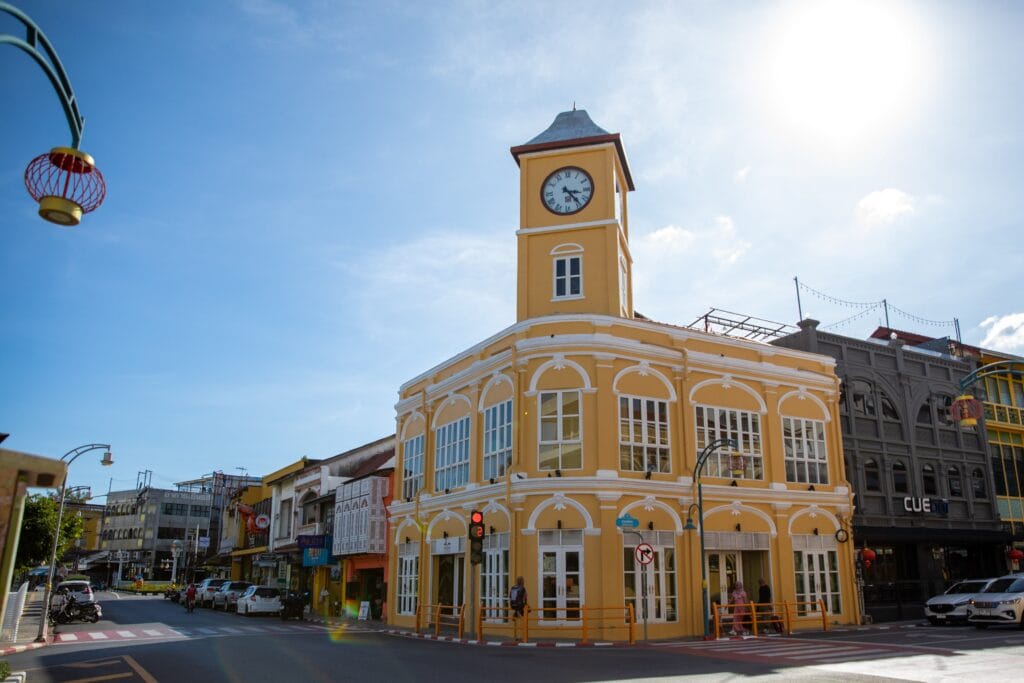 ThailandPhuketThailand's largest island: secluded west-coast resorts, the Sino-Portuguese streets of the old town and boats to Phang Nga Bay.Explore Phuket →ThailandHua HinA Gulf of Thailand seaside town that began as a royal resort in the 1920s, home to the Railway Hotel and to Chiva-Som, Thailand's original health resort.Explore Hua Hin →