A Gastronomic Guide to Bali
Balinese cooking from the base genep spice paste to babi guling and bebek betutu, and where to eat it between Ubud's river valleys and the coast.
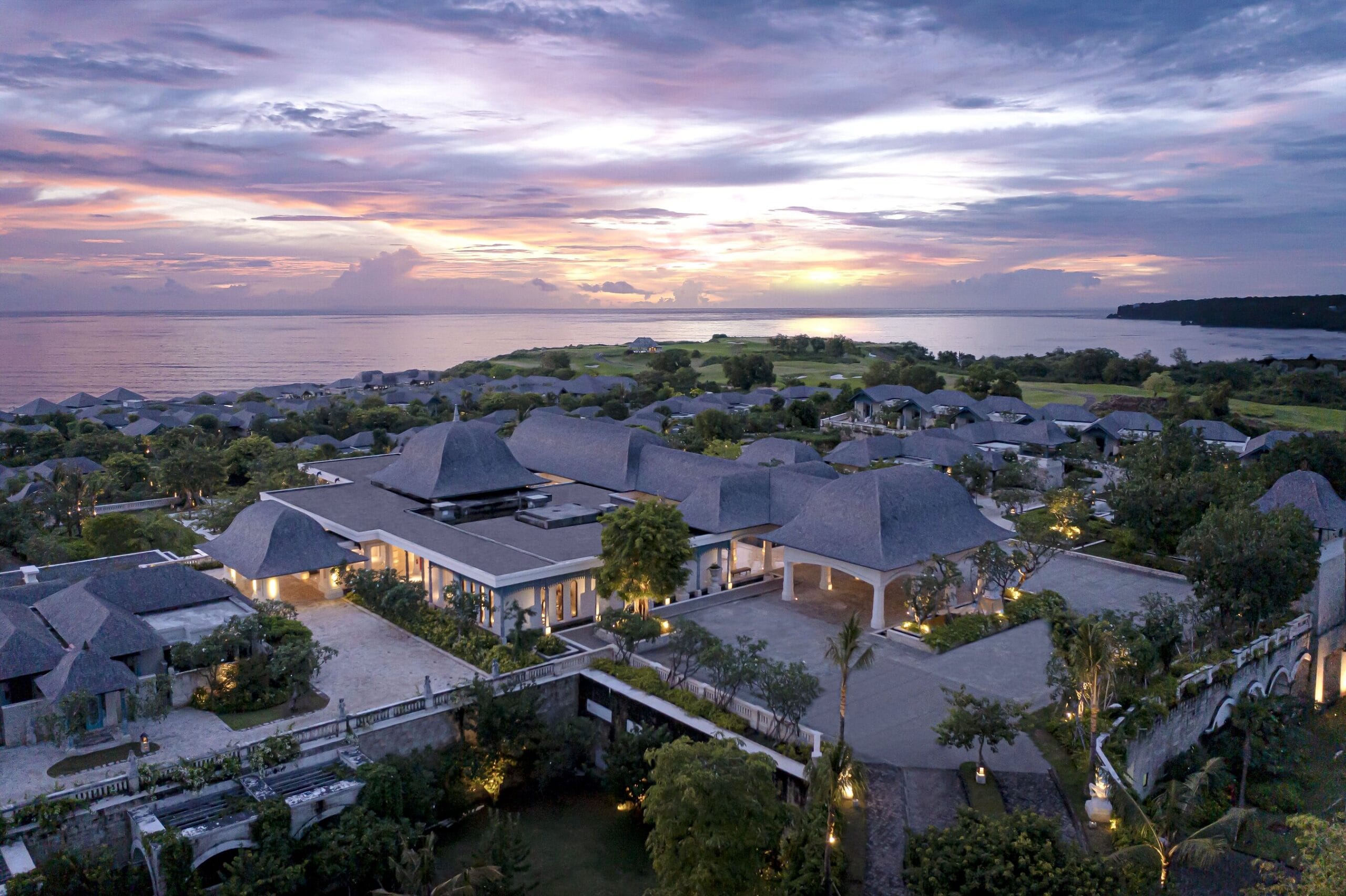
Photo: Jumeirah Group
Balinese food is cooked slowly and shared. Its great dishes belong to ceremony and are prepared over hours, which is why the best way to eat on the island is to learn the dishes first, and the restaurants second.
The spice paste and the ceremonial dishes
Most Balinese cooking begins with base genep, a fragrant paste of fresh ginger, turmeric, galangal and other aromatics that is used at different strengths and gives dishes their layered flavour. Babi guling, suckling pig stuffed with the paste and roasted over coconut husks for several hours, is the island’s festive dish, prized for its crisp skin. Bebek betutu, duck wrapped in banana and coconut leaves and cooked under live coals for seven or eight hours, is the other classic, tender and smoky. Not all Balinese eat pork, and a roast duck or chicken is the usual alternative.
Everyday eating is lighter. Nasi campur, rice with small portions of satay, shredded or fried chicken, peanuts, egg and lawar, a salad of beans, coconut and shallots, is the daily meal. In Sanur, a fish-head soup in spiced broth is a common breakfast.
How locals eat
Meals are shared, with rice, sambal and several small sides. Many of the best dishes sell out early, so go for lawar and babi guling in the morning or late afternoon rather than at the lunch peak. Some of the finest meals are at modest warungs. A restaurant like Merah Putih is useful for a different reason: it places Balinese dishes alongside others from across the archipelago in a single menu.
Fine dining in the Ubud valleys
Ubud has the island’s most considered restaurants. Mozaic has long led the island’s fine-dining scene, pairing French technique with local produce, while Kubu at Mandapa serves dinner in bamboo cocoons by the river. They suit the evening, after a day of warung food.
Where to stay
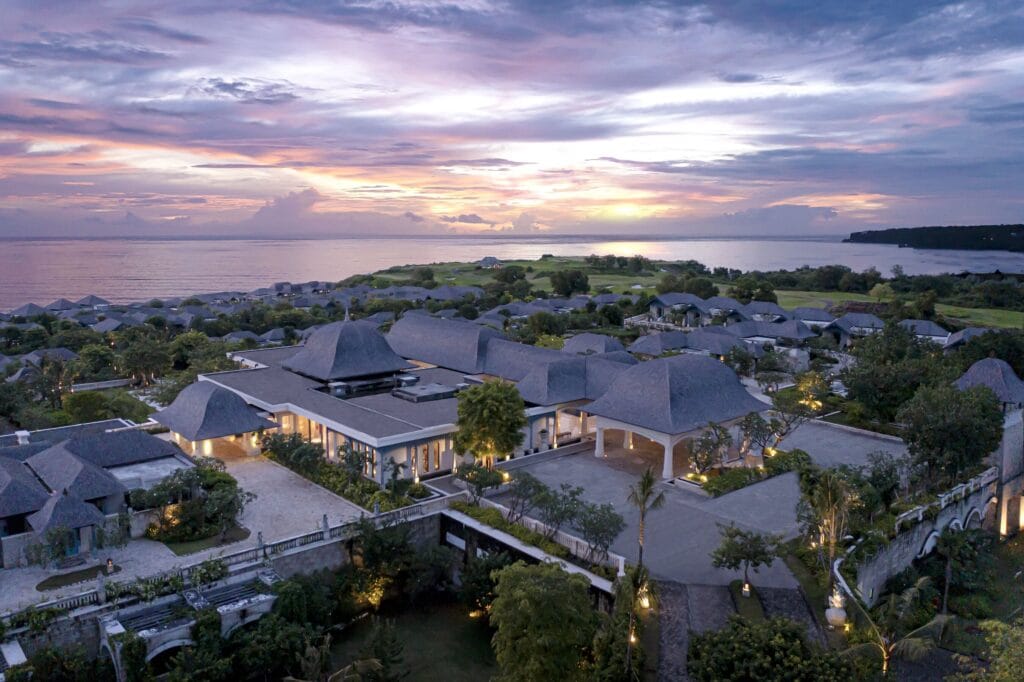
Ubud is the natural base for eating, because the warungs, the fine-dining rooms and the rice valleys are all close. Amandari and Four Seasons Resort Bali at Sayan are the established retreats there; Bulgari Resort Bali offers a coastal alternative on the cliffs of Uluwatu.
Sources: Grab: The best of Balinese food; The Bali Bible: Where to taste authentic Bali. Check the official websites for current information.
Stay
Hotels in this guide
Dine
Restaurants in this guide
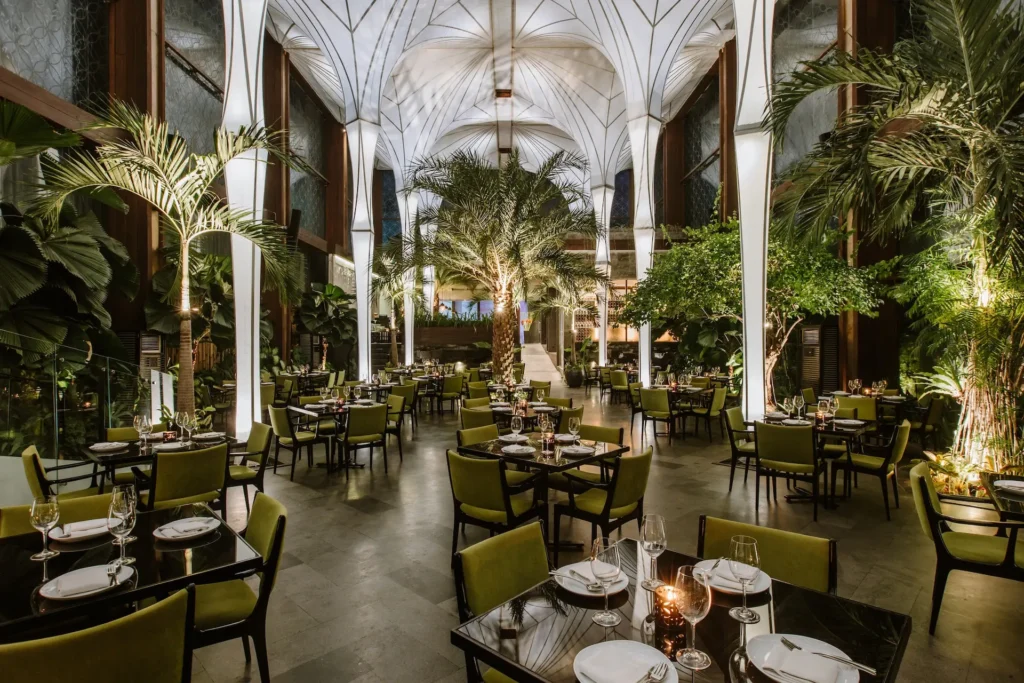 Bali · IndonesianMerah PutihExecutive chef Wiwik's modern Indonesian cooking on Jalan Petitenget in Bali.
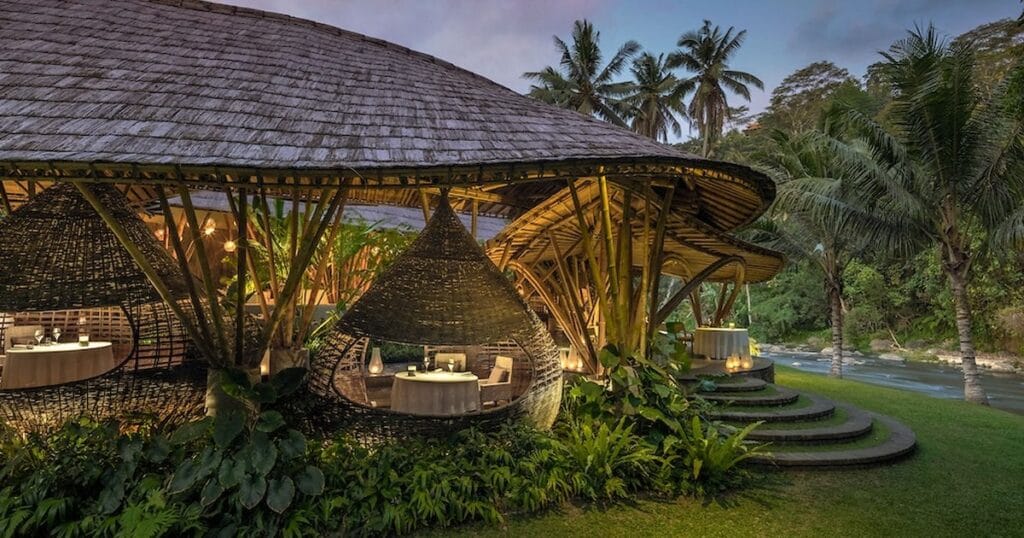 Bali · ContemporaryKubu at MandapaMandapa's riverside restaurant, serving zero-waste tasting menus in private cocoons near Ubud.
Continue
More guides to Bali
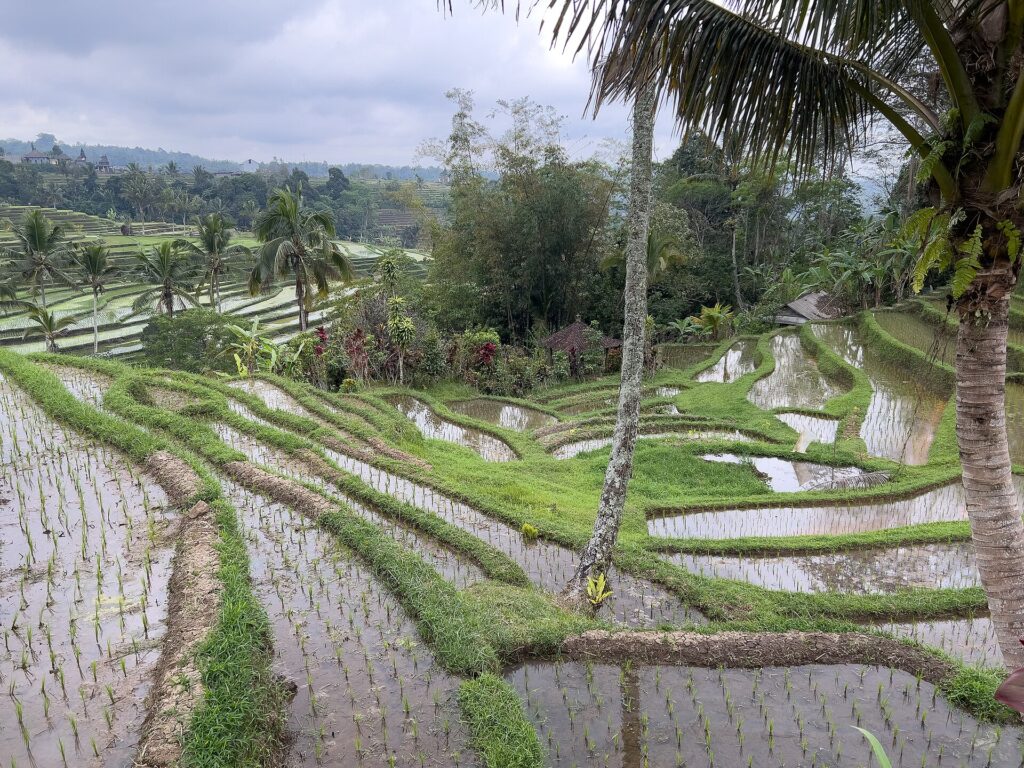
 Bali · Heritage & HistoryBali’s Rice Terraces, Water Temples and Rituals: A Culture GuideBali's subak water temples and terraces, the five UNESCO sites that make up the landscape.Bali · Where to StayWhere to Stay in Bali: Ubud’s Valleys, the Bukit Coast and SeminyakBali by setting: Ubud's river valleys for retreat, the Bukit and Jimbaran for cliffs and bays.
Journal
From the Journal
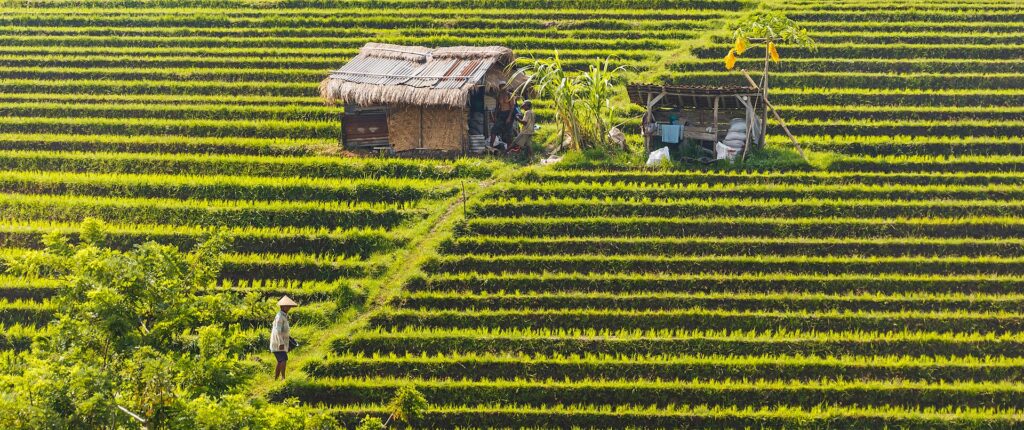 Feature · CultureSubak: The Water Temples and Rice Terraces Behind Bali’s LandscapeBali's rice terraces are managed by farmers' cooperatives that share water through a network of temples.October 4, 2026Feature · TravelBali’s New Hotels: What Has Opened and What Is Coming in 2026 and 2027A Regent in Canggu, a JW Marriott in the Ubud highlands and a Mandarin Oriental on the Bukit cliffs.October 8, 2026Feature · Design & ArchitectureDesa Potato Head: How a Bali Beach Club Became a Near-Zero-Waste VillageOn the beach at Seminyak, a club built from old window shutters grew into a hotel by OMA.October 3, 2026