
A Gastronomic Guide to Ho Chi Minh City
How to eat in Saigon: the street dishes that define the city, the young chefs reworking them, and where to stay between meals.
Photo: 源義信 / Wikimedia Commons CC BY 4.0 Resized
Saigon rewards the traveller who eats like a local before sitting down at a tasting menu. The city’s cooking was built on the pavement, and its newer restaurants make most sense once you have eaten the dishes they are quoting.
A city built on single dishes
The street stalls that matter here usually do one thing and do it all day. Banh mi in Saigon descends from the French baguette. Com tam, broken rice, was created when shortages led cooks to use the broken grains, and is now eaten with grilled pork. Hu tieu, a noodle soup with Chinese and Cambodian roots, comes with tapioca-rice noodles, pork and shrimp. Banh xeo, the crisp rice pancake, is eaten wrapped in herbs.
The practical rule is to eat at the stall that has been doing one dish for decades, usually on a plastic stool, and to go at an off-peak hour if there is a queue. Herbs are served alongside as part of the meal.
The new generation
Alongside the pavement, a younger generation of chefs, some trained abroad, is building a scene that applies modern technique to Vietnamese flavours. Anan Saigon, run by Peter Cuong Franklin, was the city’s first Michelin-starred restaurant, and its menu turns street food into small, inventive plates, including banh xeo served as tacos. The two worlds coexist, and a good visit uses both: breakfast from a stall, dinner at a chef’s counter. The city now has a growing number of starred and Bib Gourmand restaurants, so check the current Michelin Guide for the latest list.
For home cooking in a calmer setting, Cuc Gach Quan serves family-style Vietnamese dishes in a nostalgic house, and a polished hotel dining room such as Square One suits a quieter evening.
Where to stay between meals
Park Hyatt Saigon faces the Opera House and is the classic address; The Reverie Saigon is the most opulent; and Hotel des Arts Saigon is the smaller, more intimate choice.
Sources: AOL (Travel + Leisure): Taste Ho Chi Minh City; Vietnam International Review: Michelin Guide Vietnam. Check the official websites for current information.
Stay
Hotels in this guide
Dine
Restaurants in this guide
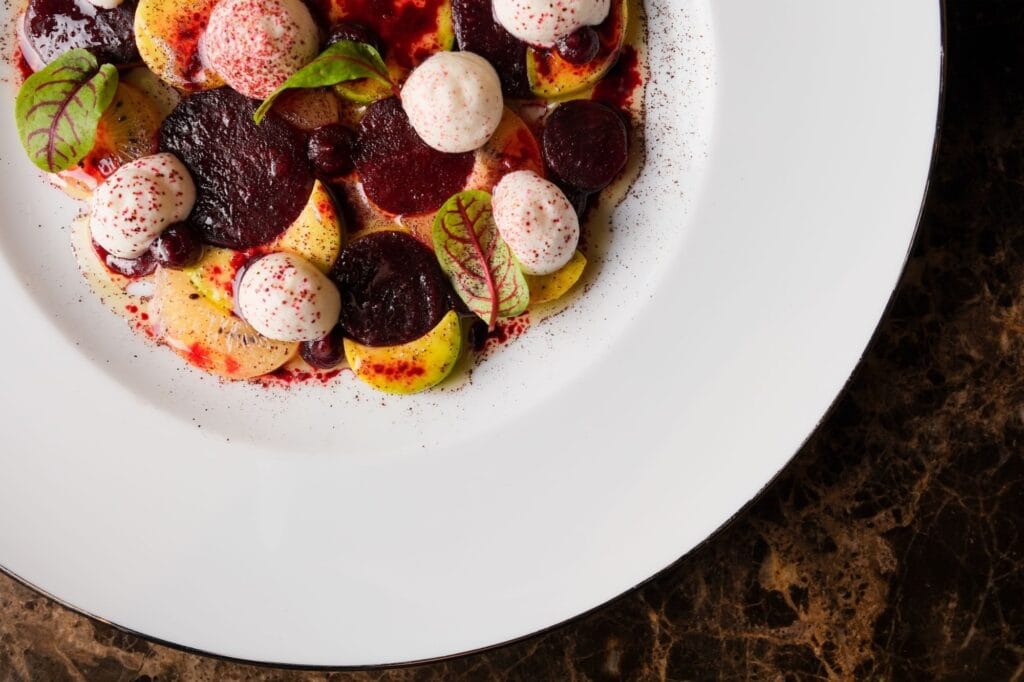 Ho Chi Minh City · FrenchSquare One at Park Hyatt SaigonPark Hyatt Saigon's restaurant, serving Vietnamese and French cuisine side by side; Michelin Selected.

Journal
From the Journal
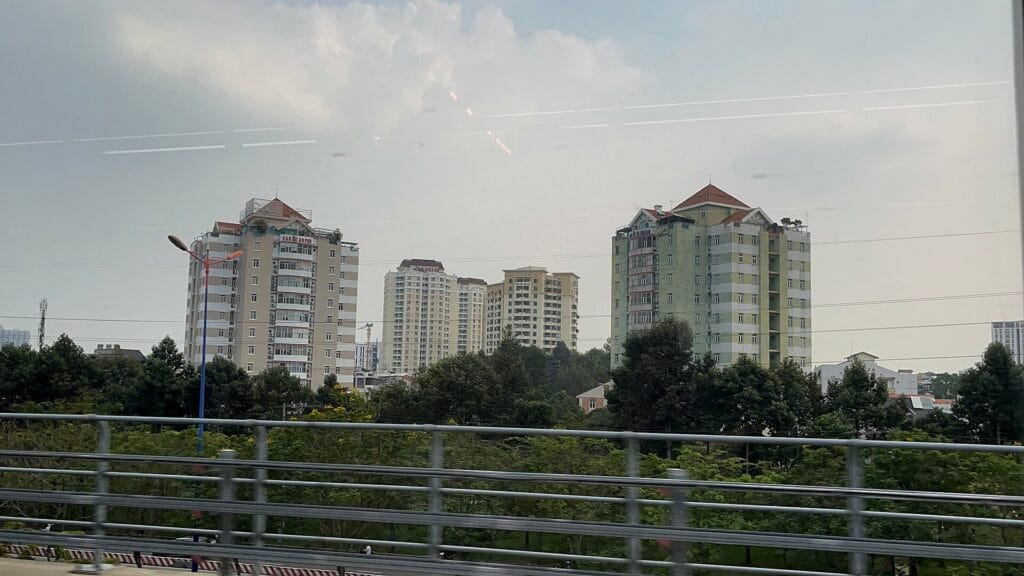 News · TravelHo Chi Minh City Opens Its First Metro LineLine 1 began carrying passengers on 22 December 2024 over 19.7 km.December 22, 2024
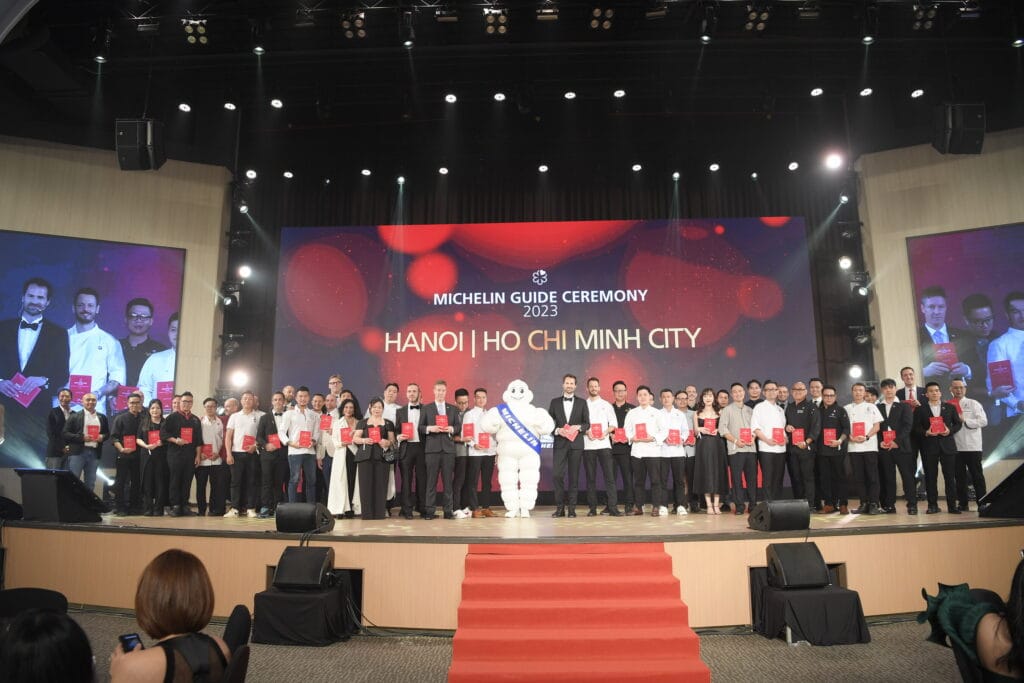 News · Food & DrinkMichelin Guide Debuts in Vietnam With Four StarsGia, Hibana by Koki, Tầm Vị and Anăn Saigon take the first Michelin stars in Vietnam as the guide lists 103…June 6, 2023