Ho Chi Minh City
Vietnam · Southeast Asia
Vietnam’s southern metropolis: French-colonial landmarks at the head of Dong Khoi, a new metro line, Michelin-listed street stalls and the gateway to the Mekong Delta.
Why visit
Why visit Ho Chi Minh City
Saigon packs several eras into a short walk. Notre-Dame Cathedral, built from 1863 to 1880 entirely from materials imported from France, stands with twin spires at the head of Dong Khoi Street. Opposite is the Central Post Office, with Victorian-era wooden telephone booths and historic maps, often wrongly credited to Gustave Eiffel. A short walk away, the Reunification Palace, designed by Ngô Viết Thụ on the site of the former Norodom Palace, keeps its basement war rooms, and the War Remnants Museum displays aircraft, tanks and bombs in its courtyard.
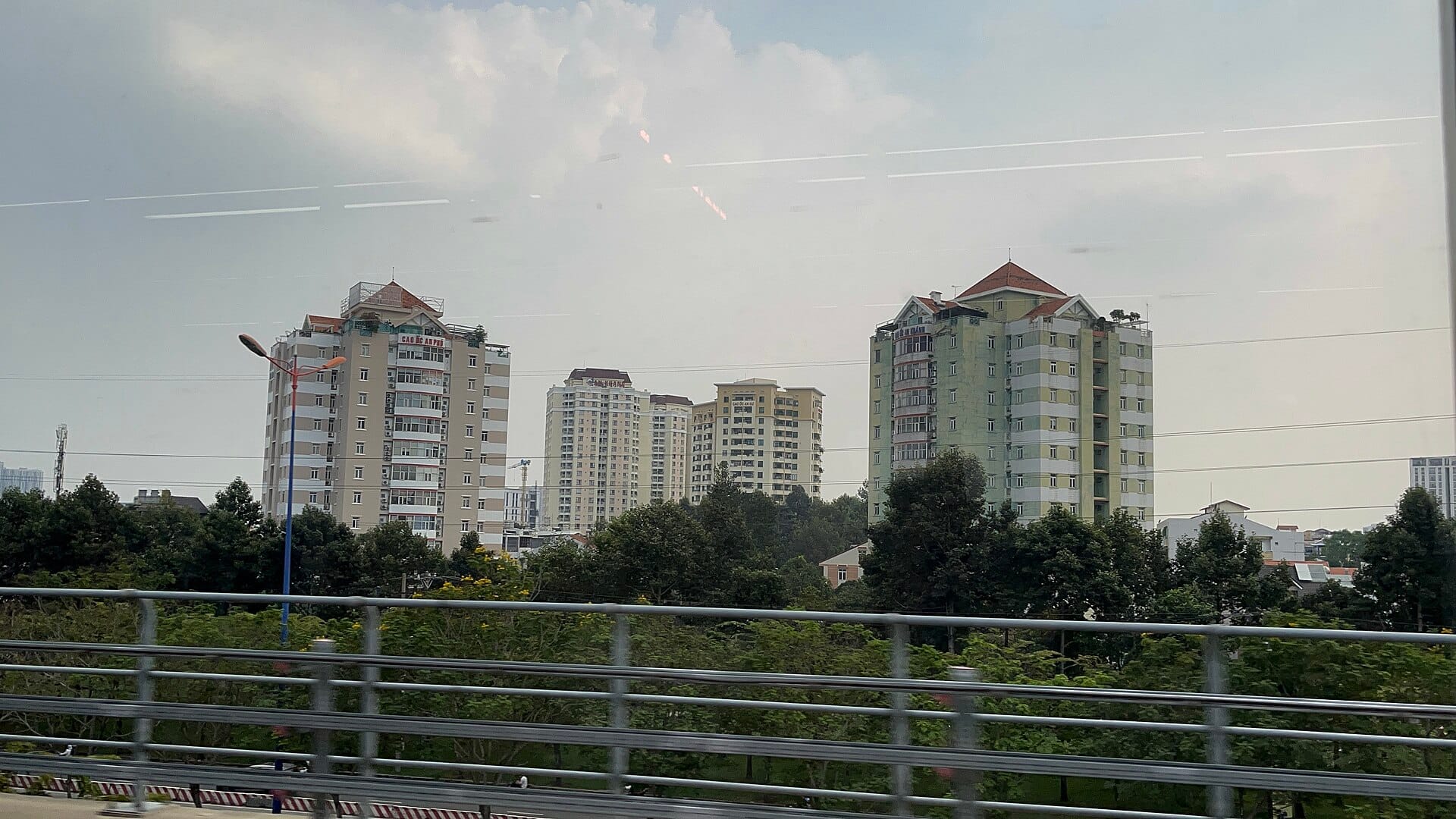
Beyond District 1, the city opens up. Cholon, in District 5, is Vietnam’s Chinatown, with teahouses, large pagodas, Cantonese restaurants and wholesale markets. Binh Thanh, across a short bridge from the centre, has retro apartment blocks, bric-a-brac bars and hidden Japanese restaurants. Thao Dien, once flood-prone and poor, is now one of the most developed wards in the city, with galleries, bars and spas.
The city also looks forward. Landmark 81, completed in 2018, is a 461-metre, 81-storey tower, and the first metro line opened at the end of 2024, running 19.7 kilometres from Ben Thanh Market to Suoi Tien. And the cooking is the clearest modern draw, from broken-rice stalls to tasting-menu rooms that treat Vietnamese street food with the care of fine dining.
Explore
What to see
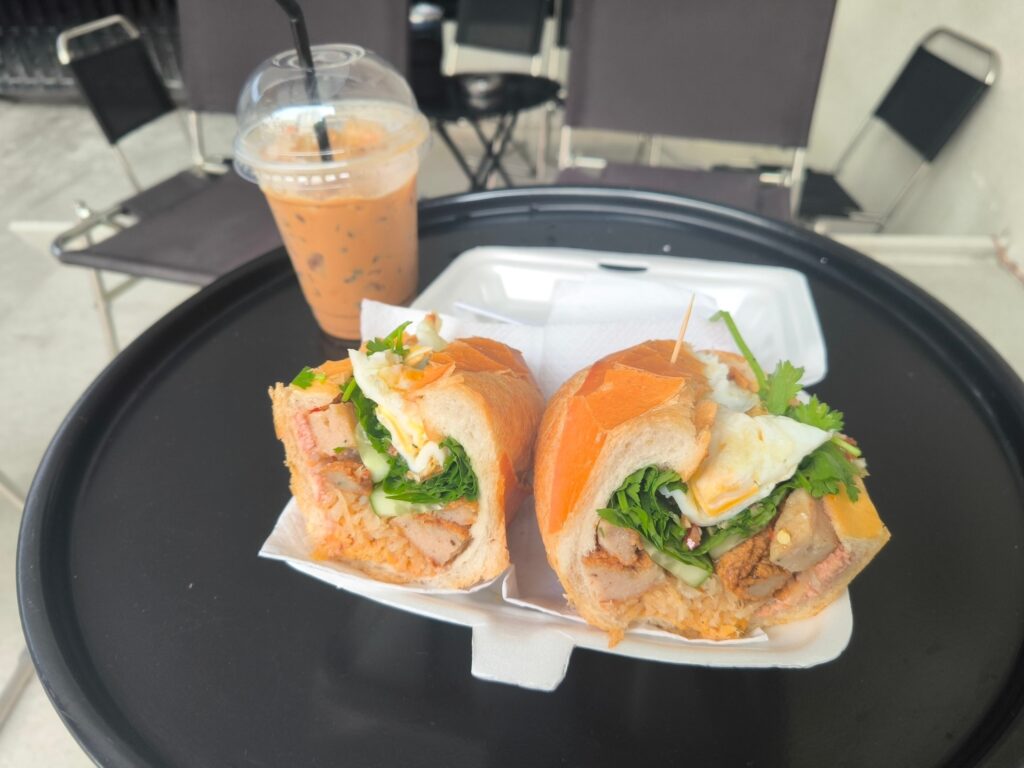
The essentials are in District 1 and its edge, and most are within walking distance of one another. Ben Thanh Market, built on reclaimed land that was formerly Bo Ret Pond, sells produce, conical hats and lacquerware, with a food area at the back serving bánh xèo and bánh mì. Nguyen Hue is the pedestrian boulevard from City Hall to Bach Dang Wharf, liveliest at sundown. Most of the sights keep hours of 7.30am to noon and 1.30pm to 5pm, so plan around the lunch break.
Further out, the Cu Chi tunnels in the north-west of greater Ho Chi Minh City extend over 250 kilometres and were used by the Viet Cong during the Vietnam War; dress for getting dirty. For a different pace, spend an afternoon in Cholon, or cross the river to Thao Dien.
South of the city, the Mekong Delta is the natural next step.
Hotels
Where to stay in Ho Chi Minh City
For a first visit, District 1 is the place: you can walk to most of the sights, and the river and the Opera House are close. Beyond it, District 3 is quieter and more residential, and Thao Dien is for a longer, slower stay.
Dining
Where to eat in Ho Chi Minh City
The street comes first. Phở Phượng braises its oxtail for about forty hours, Cơm Tấm Ba Ghiền has served broken rice with charcoal-grilled pork in Phú Nhuận since the 1990s, and the Michelin-listed stalls include Bún Bò Huế 14B, Bánh Xèo 46A, Bún Riêu Yến and Bánh Canh Cua Bà Ba. In 2026, Bánh Cuốn Tây Hồ 127, Chị Mơ and La Lola joined the Bib Gourmand list.
 Vietnamese · District 1Anan SaigonPeter Cuong Franklin's modern take on Vietnamese street food in a Saigon market; one Michelin star.Explore →
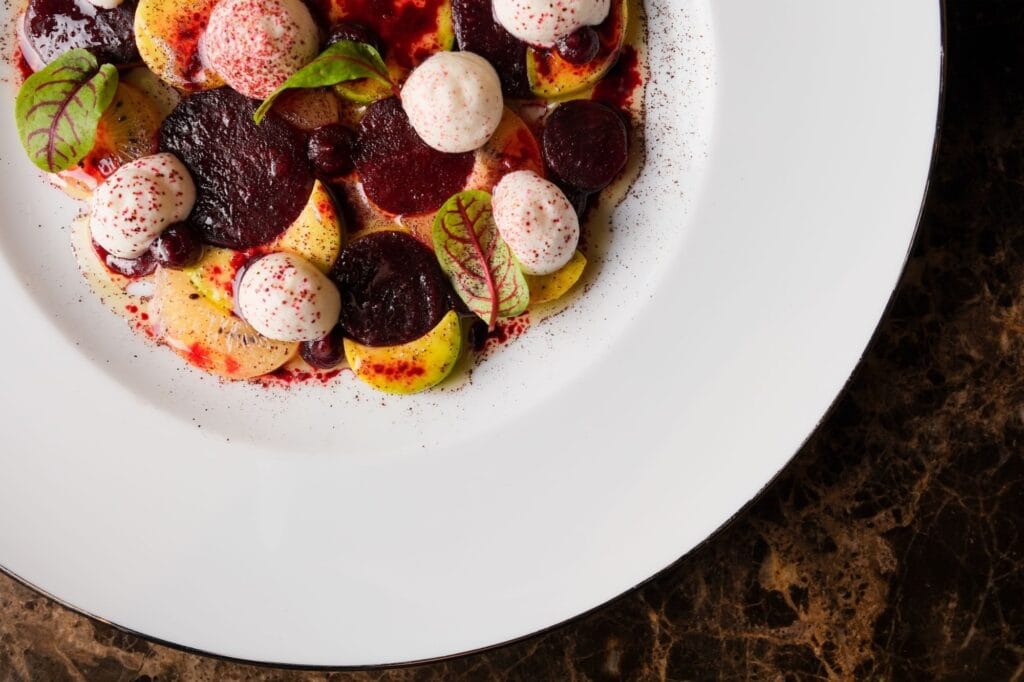 French · Lam Son Square, District 1Square One at Park Hyatt SaigonPark Hyatt Saigon's restaurant, serving Vietnamese and French cuisine side by side; Michelin Selected.Explore →

Before you go
Practical information
Best time to visit
The city has two seasons, “hot and wet, and hot and less wet.” December to April is dry and May to November is rainy, with storms usually arriving around 3 to 4pm and lasting 30 to 60 minutes. September and October bring the heaviest rain, sometimes lasting hours, with flooding in some districts. December to February offers the best overall weather, with daytime highs of about 26 to 32°C, while March and April are the hottest. Tet falls in late January or February, when many shops, restaurants and markets close for up to a week, though tourist hotels stay open.
Getting around
Tan Son Nhat Airport is about 7 kilometres from the centre, and a Grab from the airport takes 20 to 40 minutes depending on traffic. Grab is the easiest and most reliable way to get around, with fares shown upfront. Metered taxis from reputable companies such as Vinasun and Mai Linh are the alternative. Motorbike taxis, xe om, should have the fare agreed before the ride. To cross a road, walk slowly and steadily.
Read more
The new Metro Line 1 runs from Ben Thanh Market in District 1 to Suoi Tien in the north-east, with 14 stations over 19.7 kilometres.
Practical notes
Agree on xe om fares before getting on, and use only marked, metered taxis. Many restaurants and markets close during Tet.
Continue exploring
More from Vietnam
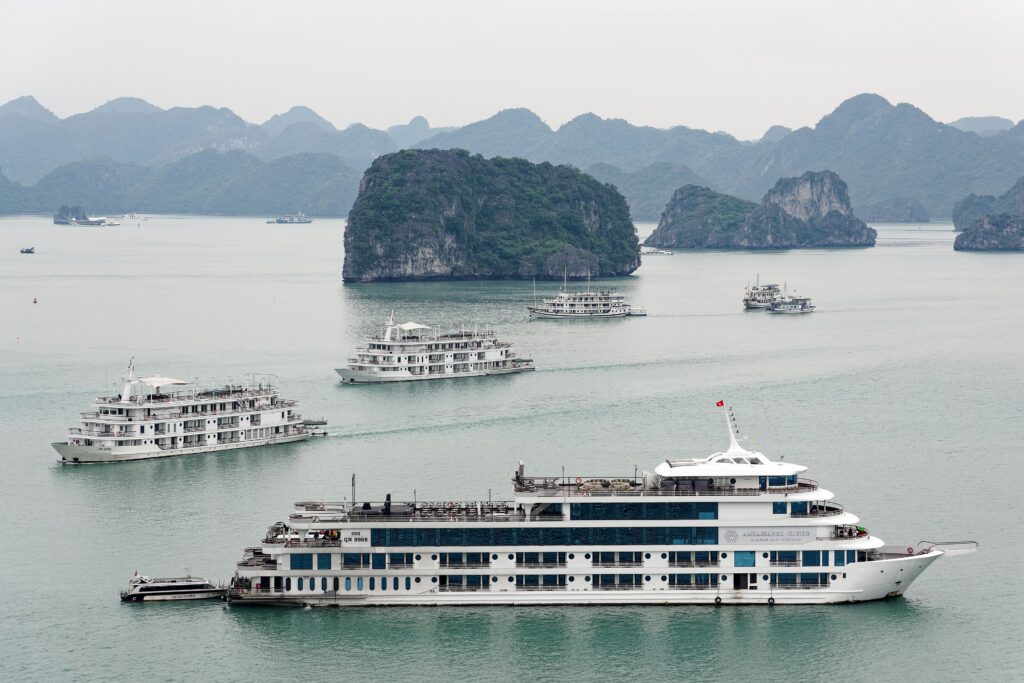 VietnamHa Long BayVietnam's limestone bay of towers and caves in Quang Ninh, a World Heritage site best seen on an overnight cruise.Explore Ha Long Bay →
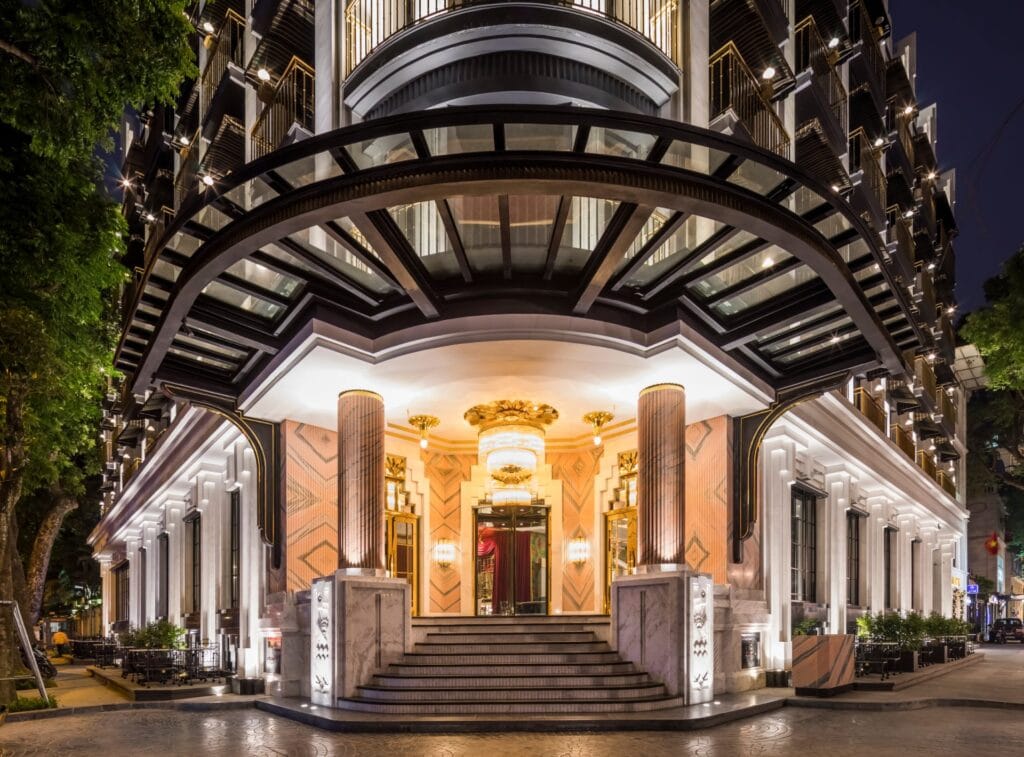 VietnamHanoiVietnam’s capital: a lakeside Old Quarter of trading streets, a French Quarter of colonial villas, the Metropole of 1901 and a citadel on UNESCO’s list.Explore Hanoi →
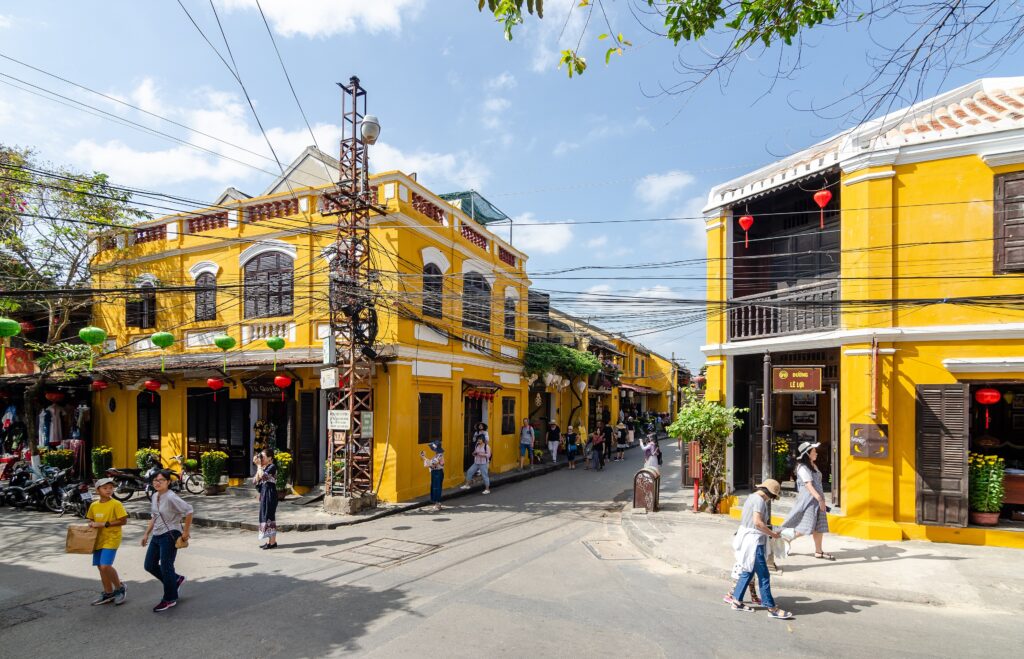 VietnamHue & Hoi AnThe imperial citadel and tombs of Hue and the old merchant port of Hoi An, linked by the coast road through Da Nang.Explore Hue & Hoi An →