The National Museum of Korea: What to See in Two Hours
One of the largest museums in the world stands in a park in Yongsan and charges nothing. A short route through its best rooms, from the gold crowns of Silla to two bronze figures lost in thought.
The National Museum of Korea moved to its present building in October 2005. It stands in a park in the Yongsan district of Seoul, on land that was once part of a military base. With a floor area of nearly 300,000 square metres it is among the largest museums in the world, and it received 3.8 million visitors in 2024. Admission to the permanent collection is free.
The building is a long, plain block of grey granite, 400 metres from end to end, with an open gap at the centre that frames a view of Namsan and its tower. The galleries are arranged on three floors along a central hall. A complete visit would take a day. This route takes two hours.
The pagoda in the hall
At the far end of the central hall stands the ten-storey pagoda of Gyeongcheonsa, carved in marble in 1348 and thirteen metres high. Every surface is covered with Buddhas, lions and dragons. It was taken to Japan in 1907, returned, and after long restoration was set up indoors, where it can be seen from each floor.
First floor: gold
The galleries of ancient history lead to the room of Silla, the kingdom whose capital was Gyeongju. Its royal tombs of the fifth and sixth centuries contained crowns of sheet gold, cut in the shape of trees and antlers and hung with comma-shaped pieces of jade, with belts and earrings to match. The crown and belt from the great tomb of Hwangnamdaechong are shown together in a darkened room.
Second floor: the room of quiet contemplation
The most admired objects in the museum are two gilt-bronze figures of a Bodhisattva seated with one leg crossed over the other, a finger raised to the cheek, smiling slightly. They were made in the late sixth and early seventh centuries and are each less than a metre high. Since 2021 they have been shown side by side, alone, in a large dim room with a sloping floor and walls of earth and charcoal. Visitors walk round them in silence. It is one of the best displays of sculpture anywhere.
Third floor: ceramics
The upper floor holds the ceramics. The celadon of the Goryeo dynasty, made between the tenth and fourteenth centuries, has a grey-green glaze that Chinese connoisseurs of the time ranked above their own, and a technique of inlaying white and black clay under the glaze that was a Korean invention. The openwork incense burner of the twelfth century is the masterpiece. Beyond it are the white porcelains of the Joseon dynasty, among them the large, slightly lopsided jars known as moon jars, which have become a symbol of Korean taste.
The same floor has a good gallery of Buddhist sculpture and rooms for the arts of Japan, China, India and Central Asia.
Practical advice
The museum is at Ichon station on lines 4 and the Gyeongui-Jungang line, with a covered moving walkway from the platform. It is open every day, and until nine in the evening on Wednesdays and Saturdays, when it is quiet. Free guided tours in English are given daily, and the audio guide can be used on a telephone. The museum shop is known for well-designed reproductions, which have become collectors’ items in their own right. Outside, a garden holds stone pagodas and lanterns, and a path leads to a pond with a pavilion.
The private Leeum Museum of Art, fifteen minutes away in Hannam-dong, has a collection of Korean ceramics and Buddhist art of comparable quality in a building by Mario Botta, and makes a natural second visit.
Continue
More from Seoul
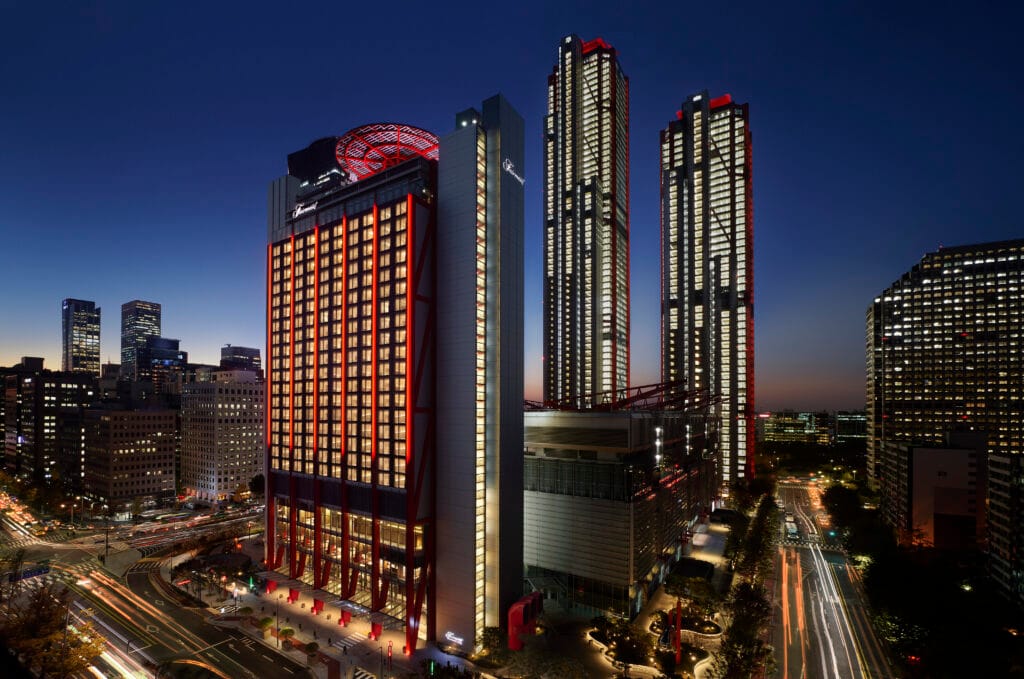 South KoreaSeoulRoyal palaces and hillside neighbourhoods meet one of Asia's most inventive dining scenes.Read →News · Food & DrinkMichelin Guide Seoul & Busan 2024: Busan’s First StarsKorea's second city enters the red guide with three one-star tables, including a Green Star for Fiotto.February 21, 2024Read →
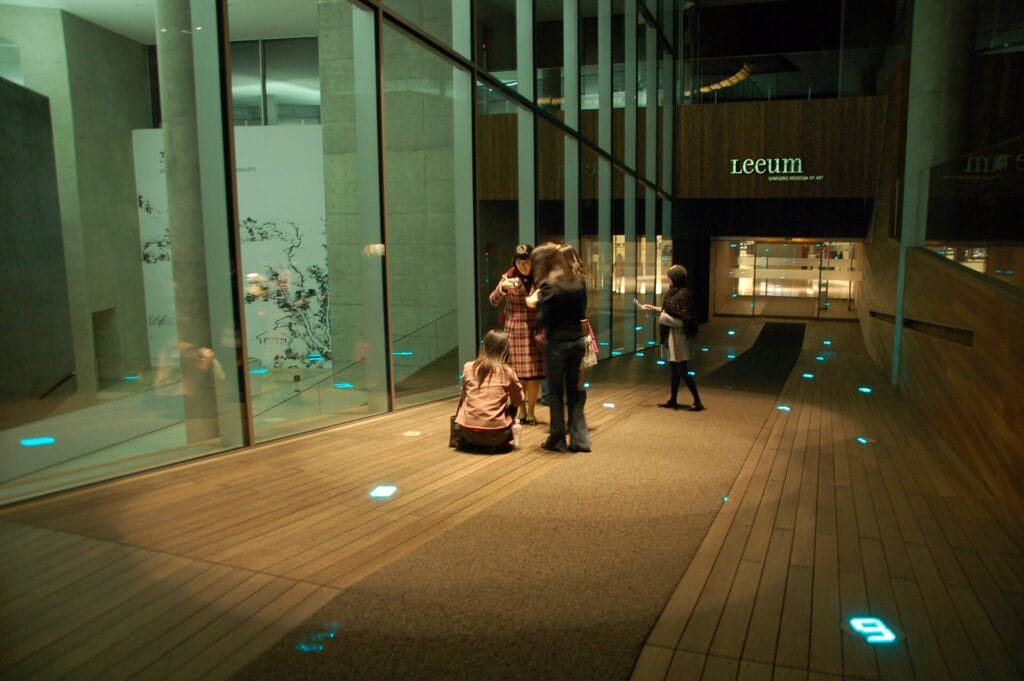 News · CultureLeeum Museum of Art Reopens in Seoul After a Full RenovationThe Samsung family's museum in Hannam-dong reopened on 8 October 2021 after more than a year and a half.October 8, 2021Read →
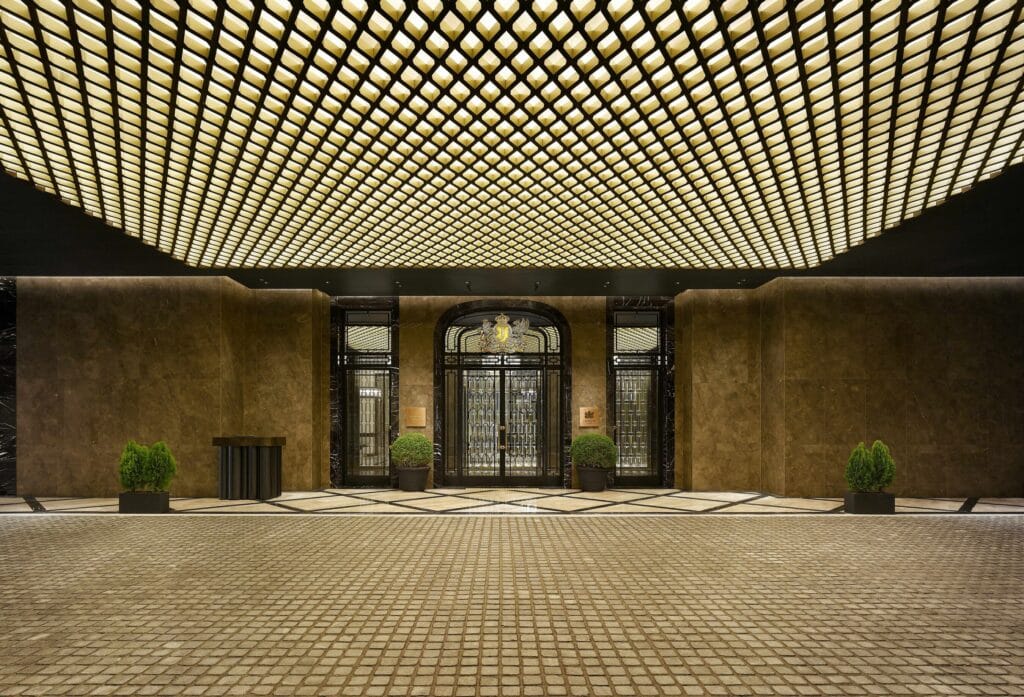 News · TravelJosun Palace Brings The Luxury Collection to KoreaMarriott's Luxury Collection enters South Korea.May 25, 2021Read →