ExperienceSeoul, South Korea
Walk from Gyeongbokgung Palace into the hanok lanes of Bukchon
The main Joseon palace, then the lived-in hanok lanes on the hill between Seoul's palaces.
Cultural Immersion · Half a day · Easy, some slopes in Bukchon
What the experience is
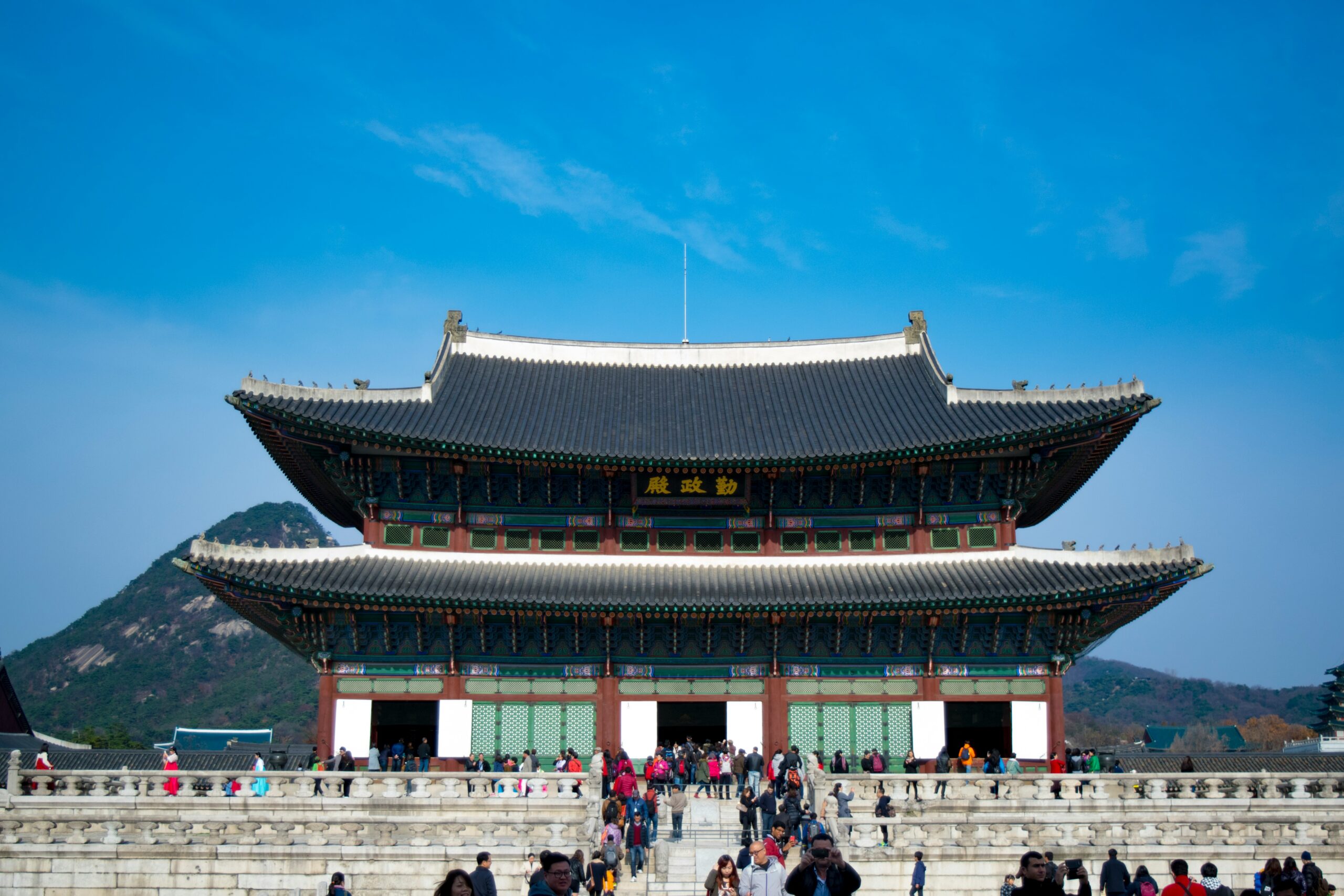
Gyeongbokgung was built in 1395, three years after the founding of the Joseon dynasty, as the first and principal of Seoul’s five royal palaces. Burned during the Japanese invasions of the 1590s, rebuilt in the 1860s and largely demolished under colonial rule, it has been restored hall by hall since 1990, and it stands again on its axis below Bugaksan, with the mountain behind the throne hall as its founders intended. On the slope east of it, between Gyeongbokgung and Changdeokgung, lies Bukchon, the “northern village”, where officials and nobles of the court once lived. Its lanes of hanok, the traditional Korean house with tiled roof and wooden frame, are still lived in. A morning in the palace followed by a slow walk up through Bukchon is the best introduction to old Seoul.
What you see
Enter through Gwanghwamun, the great gate on the ceremonial avenue, where the royal guard is changed in costume at 10:00 and 14:00. Beyond it, Geunjeongjeon, the two-storey throne hall, rises above a courtyard of granite paving and rank stones for the court officials. Further in is Gyeonghoeru, a pavilion raised on stone pillars over an artificial lake, built for royal banquets and the reception of envoys, then the residential halls of the king and queen and, at the back, the small Hyangwonjeong pavilion on its island. The National Folk Museum stands inside the palace grounds. In May 2023 the palace also served as a runway, when Gucci showed its Cruise 2024 collection in its courtyard. Leave by the east gate and climb into Bukchon: Bukchon-ro 11-gil and the lanes around it give the classic views of roofs stepping down towards the city, with small museums, craft workshops and teahouses in converted houses.
When to go
Spring and autumn are the finest seasons, with cherry blossom around Gyeonghoeru in April and maples in late October and November. The palace opens at 9:00 and closes between 17:00 and 18:30 depending on the season; it is closed on Tuesdays. Since late 2024 visitors may enter the most protected residential lanes of Bukchon only between 10:00 and 17:00: these are homes, so keep voices low and do not photograph through doors.
How to go
Gyeongbokgung station on subway Line 3 opens directly onto the palace grounds; Anguk station, also on Line 3, is at the foot of Bukchon. Admission to the palace is 3,000 won for adults, and free for visitors wearing hanbok, which can be hired near the gates. Allow two hours for the palace and two for Bukchon, on foot. Tour buses are now banned from Bukchon’s narrow streets.
Why OKYTO recommends it
It is the historic heart of the city that OKYTO’s Seoul page describes, and it is best seen on foot, with time. Four Seasons Hotel Seoul stands a few minutes from Gwanghwamun, and Onjium, which cooks from the recipes of the Joseon court, faces the palace wall. Complete the day with the Secret Garden of Changdeokgung, on the other side of Bukchon, or the next morning with the city wall over Inwangsan and Baegak.
Sources: iVisitKorea, Gyeongbokgung Palace; The Korea Times, Why Bukchon Hanok Village closes to tourists after 5 p.m. (February 2026).
The Details
Essentials
- Location
- Gwanghwamun gate, Gyeongbokgung station (Line 3)
- Duration
- Half a day
- Best time
- Year-round; best April and late October to November; palace closed Tuesdays
Planning
- Level
- Easy, some slopes in Bukchon
Continue
More experiences
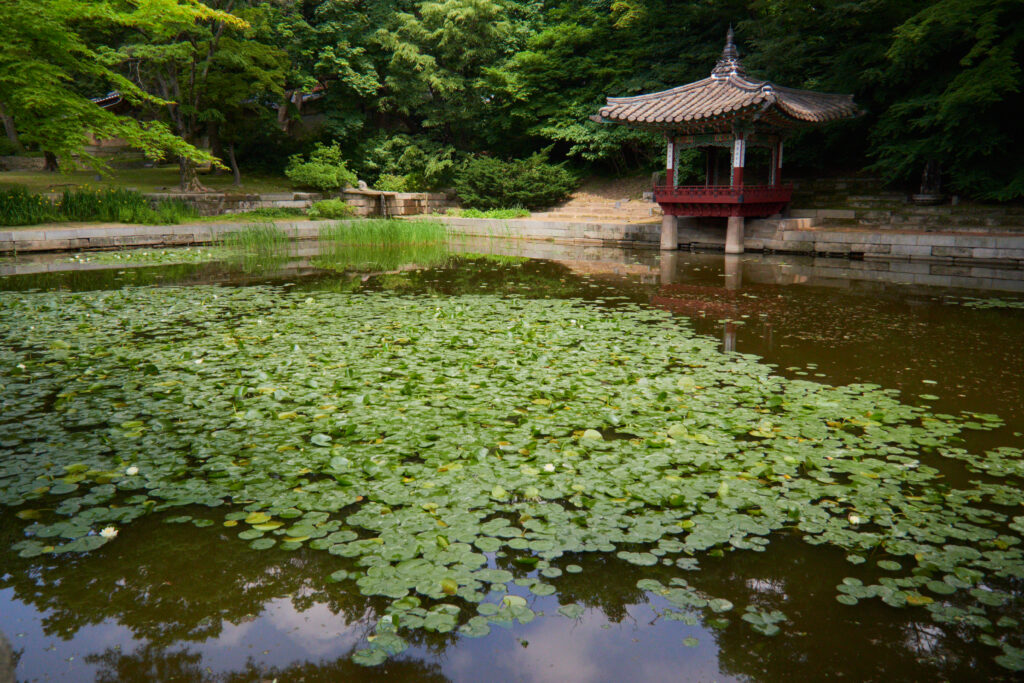 Cultural ImmersionSeoulJoin a guided tour of the Secret Garden at ChangdeokgungThe Joseon kings' garden of ponds and pavilions behind Changdeokgung, on a guided tour booked six days ahead.
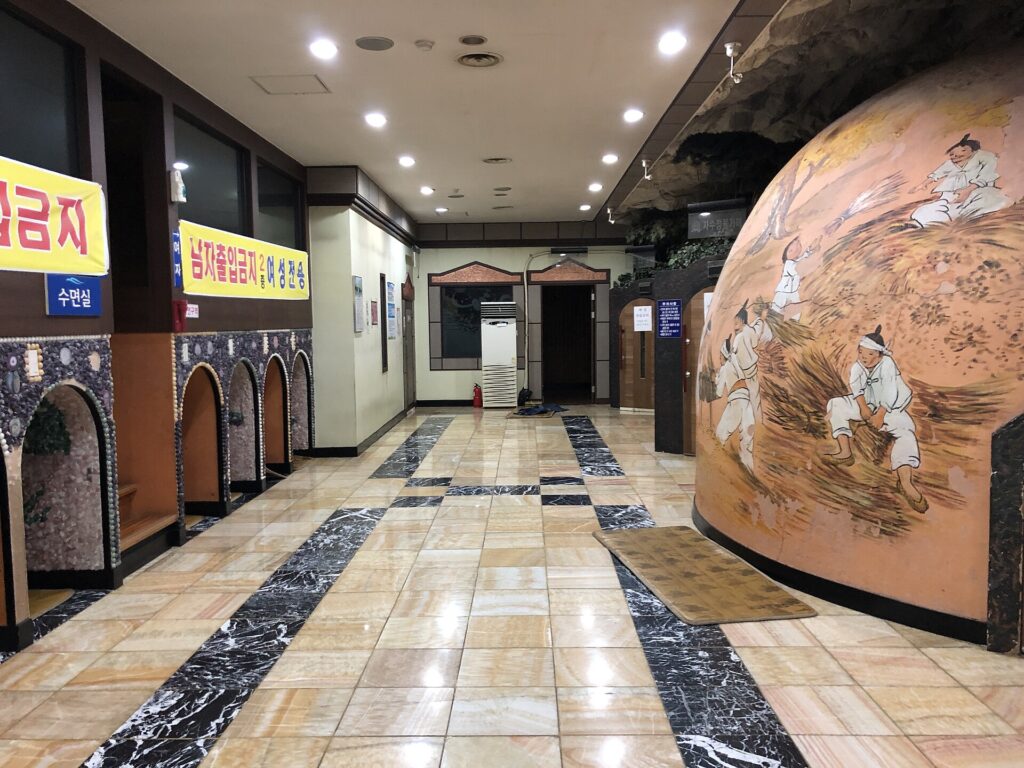 WellnessSeoulSpend an evening in a Seoul jjimjilbangHot pools, a body scrub, kiln saunas and a heated floor to rest on, in a Korean public bathhouse.