Jingmai Mountain’s Old Tea Forests Join the World Heritage List
UNESCO inscribed the Pu'er tea landscape of southern Yunnan in September 2023, recognising a thousand years of forest tea growing by the Blang and Dai peoples.
The Cultural Landscape of Old Tea Forests of the Jingmai Mountain in Pu’er was added to the UNESCO World Heritage List on 17 September 2023, during the World Heritage Committee session held in Riyadh. It is the first World Heritage site devoted to tea culture, and it puts a remote corner of southern Yunnan on the map for travellers who care about what is in their cup.
The listed area covers about 7,168 hectares in Huimin town, Pu’er city, close to China’s border with Myanmar, with a buffer zone of a further 11,928 hectares. It is not a plantation in the usual sense. According to UNESCO, the landscape was shaped over a thousand years by the Blang and Dai peoples, following practices that began in the 10th century: old tea trees are grown under the forest canopy rather than in cleared rows, in groves that surround traditional villages and are themselves ringed by protective belts of forest.
This understorey method is the heart of the inscription. It works with the mountain’s ecosystem and its subtropical monsoon climate, relying on shade, leaf litter and the surrounding woodland instead of intensive cultivation. It is backed by a system of community rules and by belief: the villagers honour a Tea Ancestor and hold that spirits live in the tea groves and in the plants and animals around them, and ceremonies and festivals through the year express that relationship.
UNESCO recognised the site under two criteria, as an exceptional testimony to a living cultivation tradition and as an outstanding example of sustainable land use in a mountain environment. The villages, with their timber houses and layouts specific to Blang and Dai culture, are part of the listed property. The organisation also noted the risks: pressure from development and the likely growth of tourism.
For visitors, Jingmai is a long way from Yunnan’s established circuit of Dali, Lijiang and Shangri-La, and it remains a place for unhurried travel: walks among tea trees that are several centuries old, tastings of Pu’er tea in the villages where it is made, and nights in small guesthouses. The listing is likely to bring better access and more attention, which makes the case for going with care, and soon.
Continue
More from Yunnan
 ChinaYunnanChina’s south-western highlands, where deep gorges, snow mountains and old Naxi towns meet.Read →
 News · WellnessSongtsam Introduces Tibetan Medicine to Its Himalayan LodgesThe Tibetan-owned lodge group has launched spa programmes based on Sowa Rigpa.October 17, 2025Read →
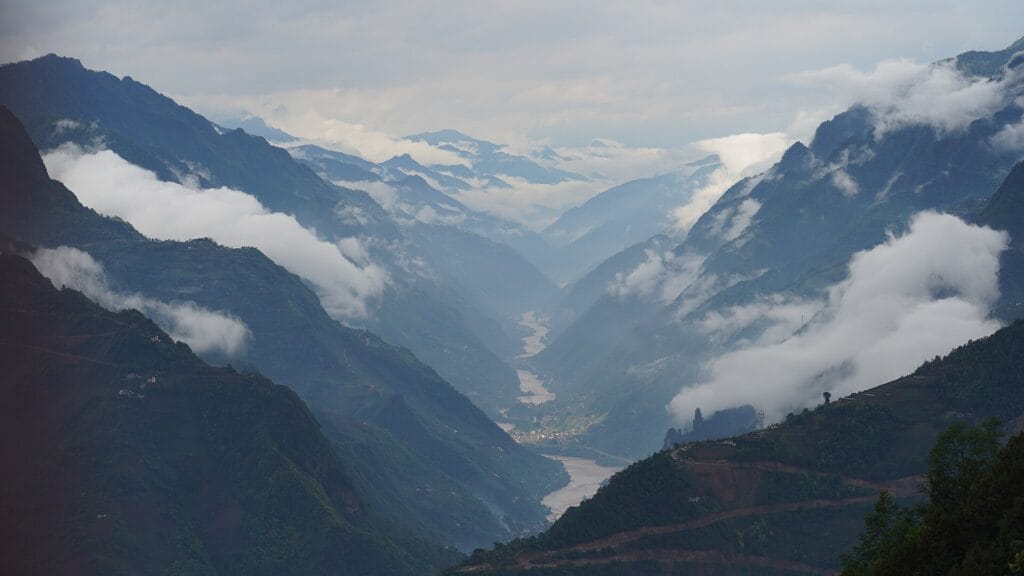 News · TravelSongtsam Opens a Lodge in the Canyon of the NujiangThe group's 17th property opened in March 2024 with 55 rooms at 1,750 metres in the gorge of the Salween.March 29, 2024Read →News · TravelSongtsam Opens a Wang Shu-Designed Retreat Above Dianchi Lake in KunmingThe Tibetan-owned hotel group's 20th property and first city retreat opened in July 2026 with 53 rooms.July 15, 2026Read →