Songtsam Introduces Tibetan Medicine to Its Himalayan Lodges
The Tibetan-owned lodge group has launched spa programmes based on Sowa Rigpa, the traditional medicine of the plateau: Ku Nye massage, herbal baths, warm-oil compresses and meditation.
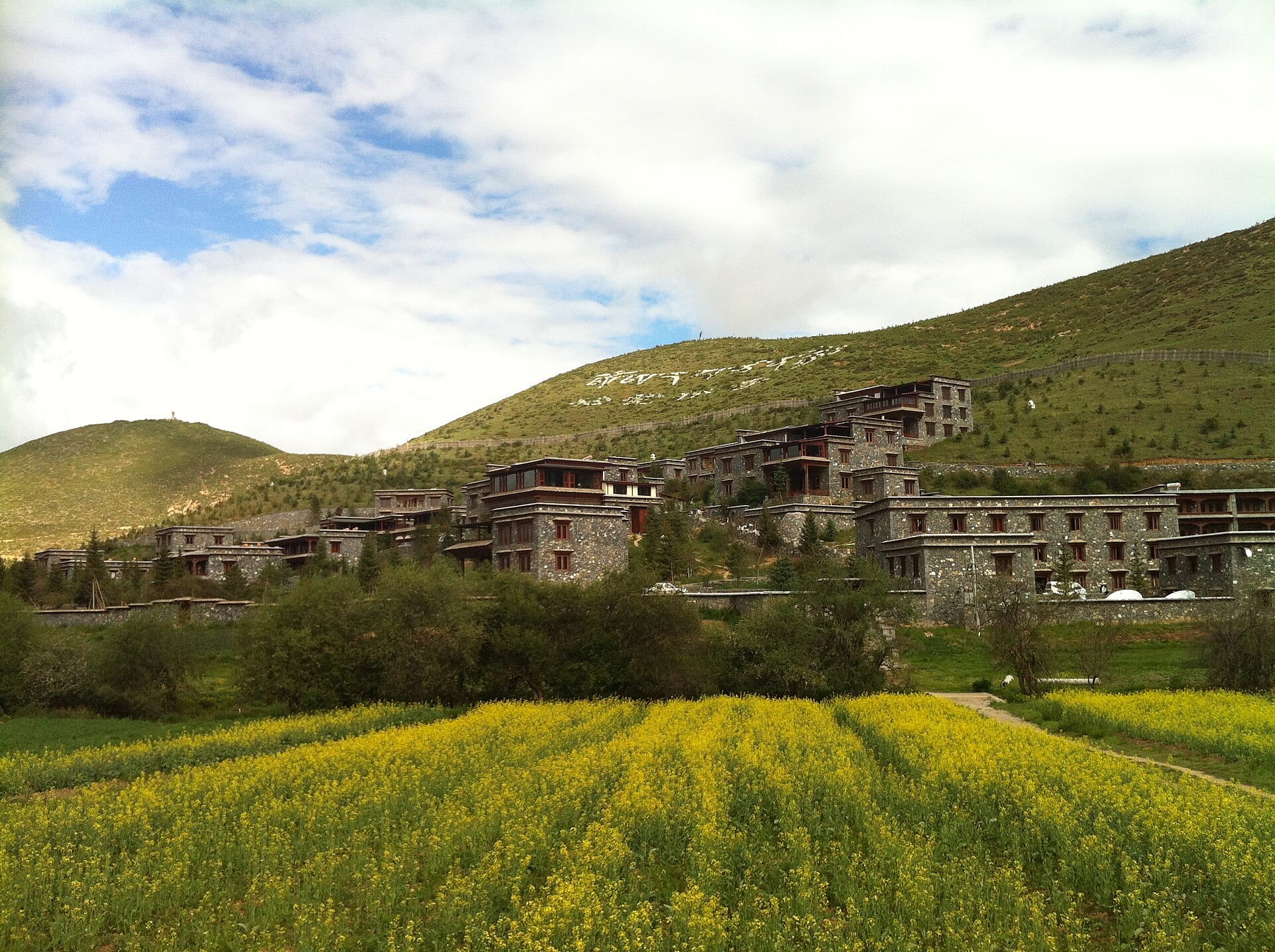
Songtsam, the Tibetan-owned group of lodges in Yunnan and Tibet, launched a series of wellness experiences in 2025 based on Sowa Rigpa, the traditional medicine of the Tibetan plateau. The programme, reported in October of that year, brings into its spas a tradition that few travellers have met in a hotel.
What Sowa Rigpa is
The name means the science of healing. It is a medical system practised across Tibet, Bhutan, Mongolia, Ladakh and the Himalayan regions of Nepal and India, with its own texts, the Four Tantras, compiled in the 12th century, its own colleges and hospitals, and a pharmacopoeia of several hundred mountain plants and minerals. It stands beside Ayurveda and Chinese medicine as one of Asia’s great scholarly traditions of healing, with which it shares many ideas while being distinct from both.
Diagnosis rests on the pulse, the examination of urine and questioning, and on the balance of three principles, usually translated as wind, bile and phlegm. Treatment begins with diet and conduct, and proceeds to herbal medicine and external therapies.
The programme
Songtsam’s programme draws on the external therapies. Ku Nye is the Tibetan massage: warm herbal oil is applied and worked along the limbs and back, followed by pressure on points and by heat from warmed stones or compresses, and it is intended to calm the nervous system. Hor Me is a treatment in which small bundles of herbs, heated in oil, are pressed on specific points; it follows a consultation, and the practitioner chooses the points and the oil for each guest. Medicinal baths, with decoctions of five mountain herbs, are a classical therapy for joints and circulation, and one that UNESCO has recognised as intangible heritage.
Around these the lodges offer sessions of Tibetan meditation and yoga, concerts of singing bowls and classes in thangka painting, the scroll painting of Tibetan Buddhism, which is itself practised as a form of meditation. A spokesperson described the aim as helping guests connect with Tibetan culture and with themselves.
Where it fits
The programme is cultural as much as medical. It does not offer the diagnostics of the clinical retreats, and guests seeking treatment for a condition should look to a Tibetan medicine hospital, of which Lhasa and Xining have the most respected. As an introduction, in the landscape where the tradition grew and with the plants growing on the hillside outside, it has no equivalent in a luxury hotel.
It also gives Songtsam’s journeys a slower rhythm. A circuit that was once a sequence of drives and walks can now include days of rest at altitude, which suits older travellers and those on a second visit. The group’s new city retreat, Songtsam Linka Kunming, is to serve as the place where its wellness programmes are developed.
Continue
More from Yunnan
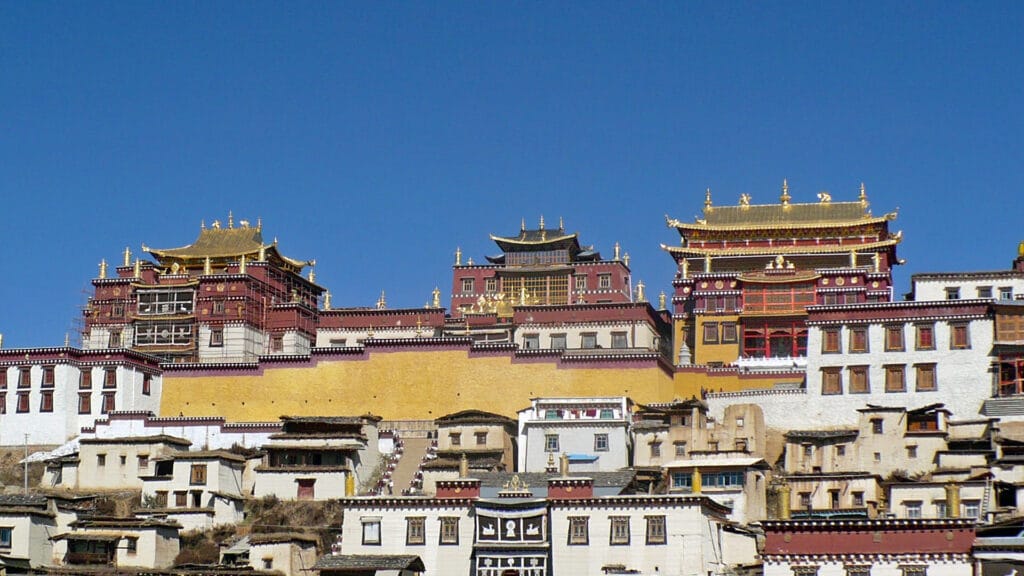 ChinaYunnanChina’s south-western highlands, where deep gorges, snow mountains and old Naxi towns meet.Read →
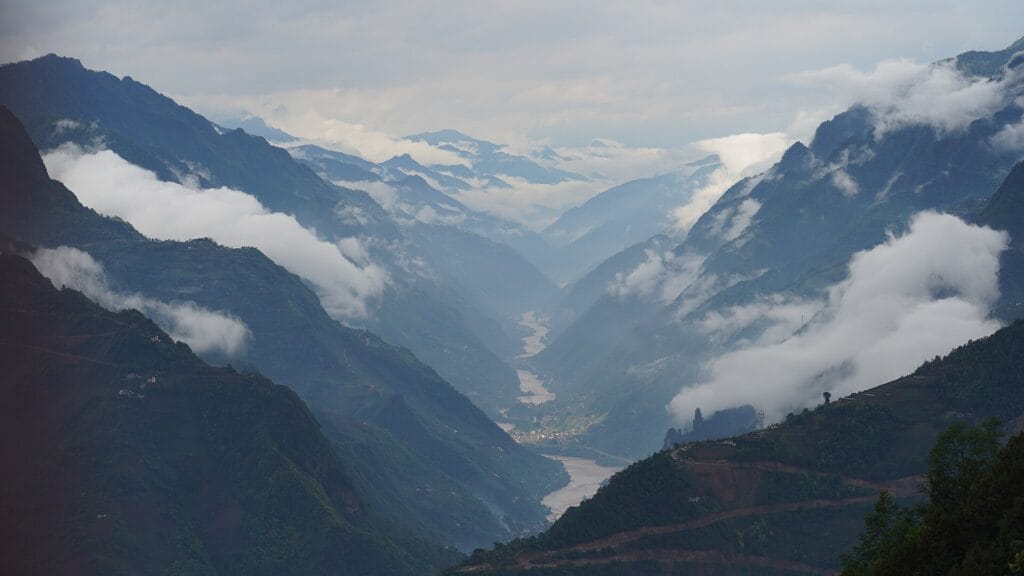 News · TravelSongtsam Opens a Lodge in the Canyon of the NujiangThe group's 17th property opened in March 2024 with 55 rooms at 1,750 metres in the gorge of the Salween.March 29, 2024Read →News · TravelSongtsam Opens a Wang Shu-Designed Retreat Above Dianchi Lake in KunmingThe Tibetan-owned hotel group's 20th property and first city retreat opened in July 2026 with 53 rooms.July 15, 2026Read →News · TravelSongtsam Reopens Its Cizhong Lodge as a Wine Hotel on the Upper MekongEnlarged from 10 to 26 rooms, the lodge in a Tibetan Catholic village.September 10, 2025Read →