Sri Lanka
Sri Lanka · South Asia
An island of ruined capitals, a living Dutch fort, tea-covered hills and leopard country, best taken slowly and in separate chapters.
Why visit
Why visit Sri Lanka
Sri Lanka is the rare destination where the old and the lived-in sit side by side. The sacred cities of Anuradhapura and Polonnaruwa, the rock citadel of Sigiriya and the cave temple at Dambulla are not museum pieces; pilgrims still arrive with lotus flowers at dawn. Kandy, the last royal capital, holds the Temple of the Tooth, and Galle’s Dutch ramparts enclose a town where families, shops and schools carry on inside the walls.
It is also a country of a few strong ideas rather than many. Tea shaped the hill country, its railways and its estate bungalows. Geoffrey Bawa, born in Colombo in 1919, shaped what Asian tropical modernism could look like: low roofs, courtyards, rooms open to rain and garden. The OKYTO Sri Lanka guide follows these threads together, with wildlife as the third.
The reward is range without long transfers. A morning among Buddhist ruins can be followed by an afternoon above tea terraces, and the south coast beaches are within a day’s drive of both.
Explore
What to see
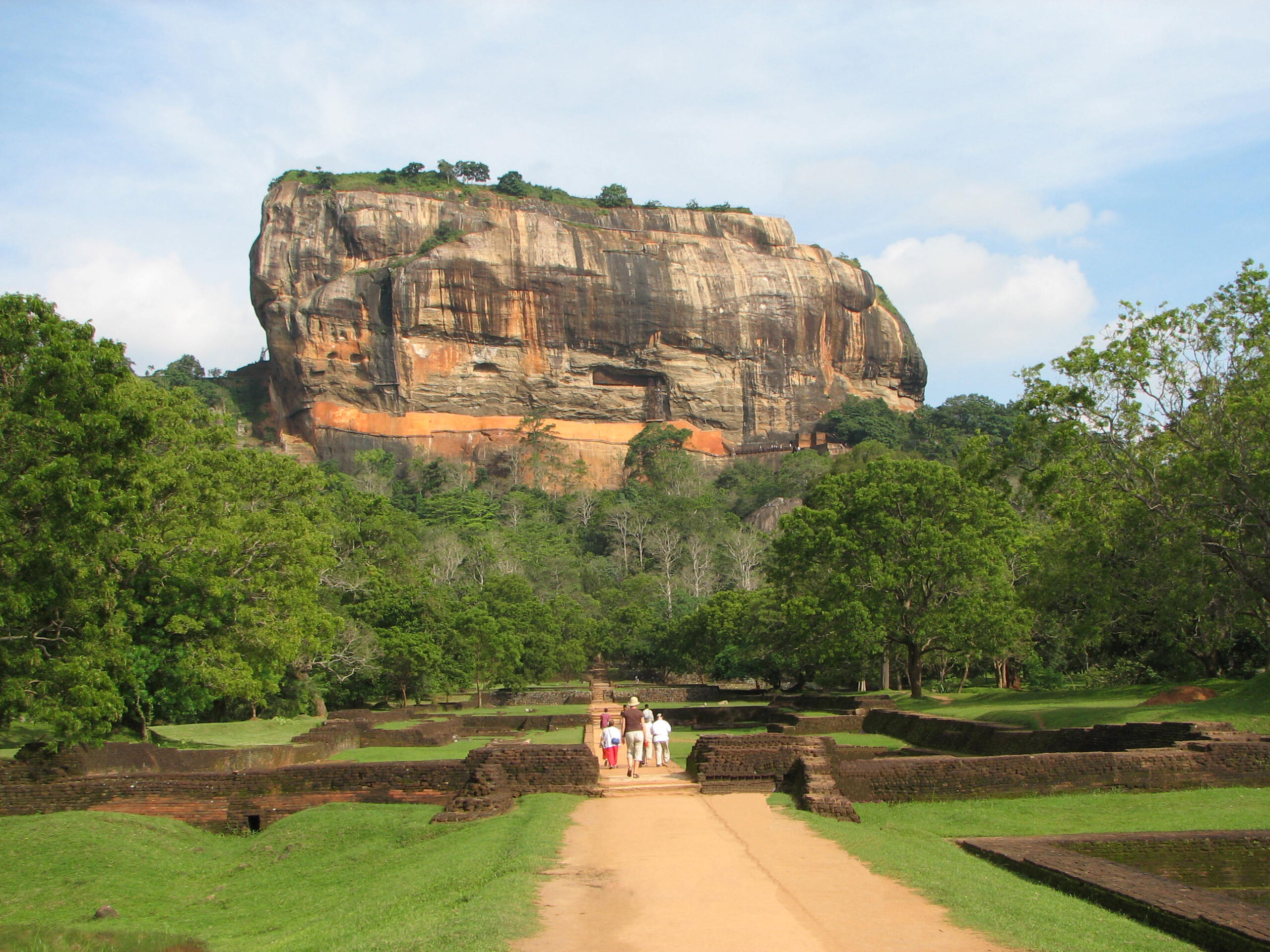
The Cultural Triangle is the historical core. Anuradhapura, the oldest of the ancient capitals, is a field of dagobas, monasteries and sacred bo-tree precincts and is best seen by bicycle or tuk-tuk rather than on foot. Polonnaruwa, the later capital, is more compact and easier to read, with its great stone Buddhas and audience hall. Sigiriya, a fifth-century palace on a rock, rewards an early start, before heat and crowds build: climb it at first light. Dambulla’s painted cave temples complete the circuit.
Kandy stands apart, a lake-side hill town built around the Temple of the Sacred Tooth Relic, where evening ceremonies draw worshippers and visitors alike. Between May and August the city hosts the Esala Perahera, a procession of dancers, drummers and decorated elephants; watching it from a reserved stand is worth planning around.
On the south-west coast, Bawa’s gardens and buildings are the draw. Lunuganga, his country estate near Bentota, is open for tours, and his Colombo house at Number 11 can also be visited by arrangement. Further south, the walk along the ramparts of Galle Fort at sunset is the town’s natural ritual, and the lanes behind are better explored without a plan.
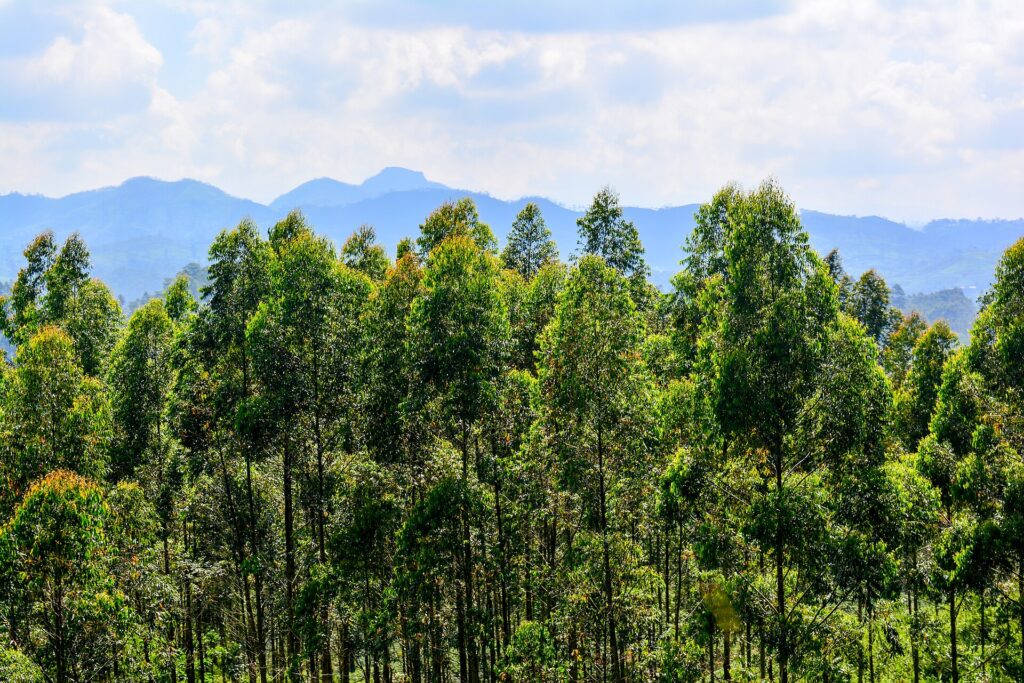
In the hills, the Pekoe Trail, about 300 kilometres in 22 stages from Kandy to Nuwara Eliya, passes through tea estates, villages and temples; one or two stages are enough for most visitors. The train between Kandy and Ella is the gentler alternative. For wildlife, Yala is known for its leopards, and Minneriya’s elephant gathering peaks in the dry months of August and September. Sri Lanka is also one of the homes of Ayurveda, and a week or more is the usual length to take an Ayurvedic cure.
Hotels
Where to stay in Sri Lanka
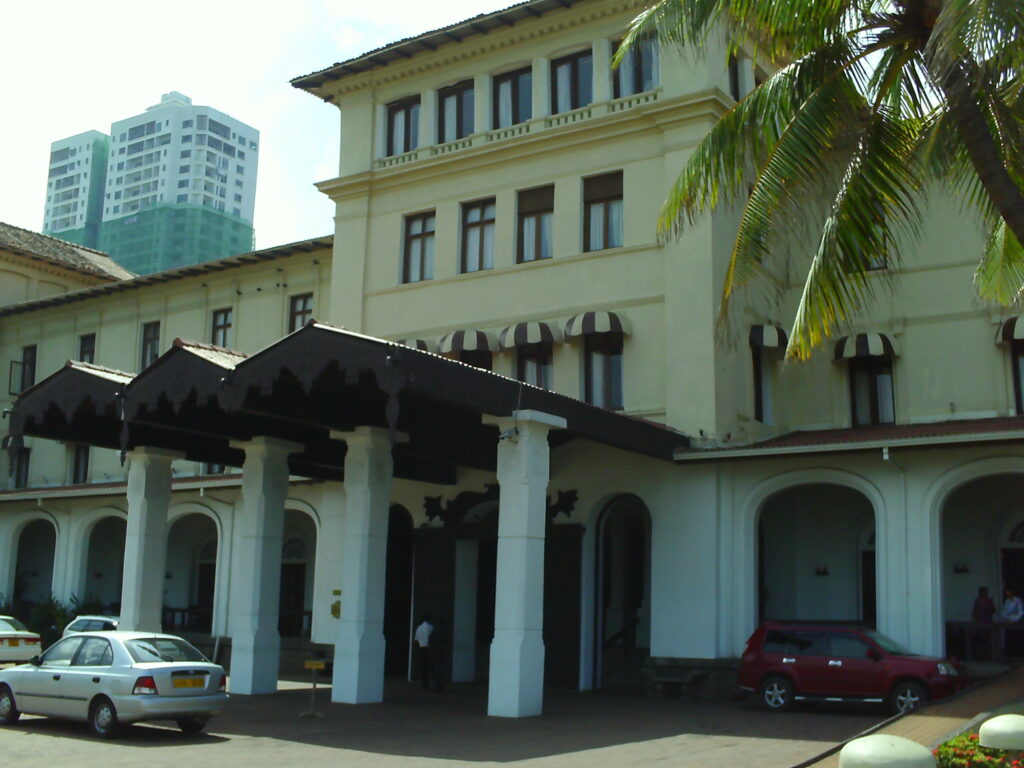
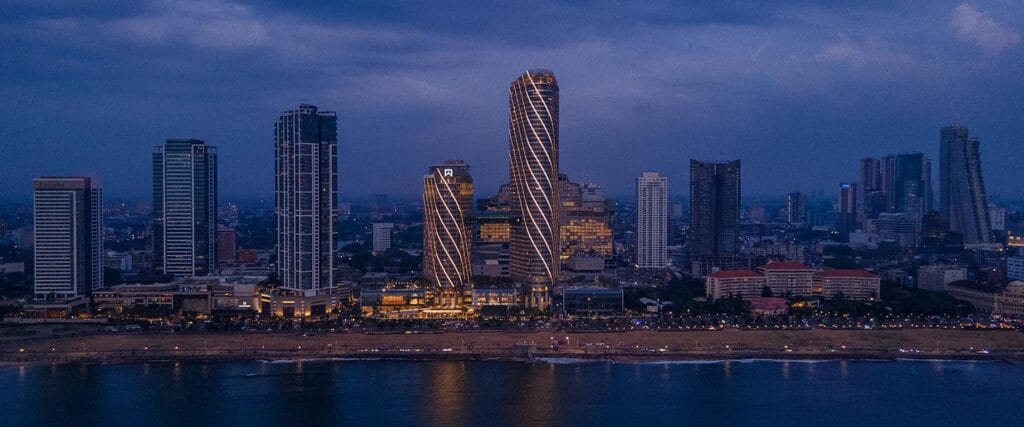
Think in chapters rather than one base. Colombo suits a day or two at the start or end of a trip: the Galle Face Hotel has sat on the seafront since 1864, in two wings, and remains the city’s grand seafront address, while the newer towers of ITC Ratnadipa offer a more contemporary option.
Dining
Where to eat in Sri Lanka
Sri Lankan cooking rewards a willingness to eat the local way: rice and curry with several small dishes of vegetables, lentils, coconut sambol and fish or chicken, hoppers (bowl-shaped fermented-rice pancakes) for breakfast or dinner, and string hoppers with kiri hodi, a light coconut gravy. Seafood on the south coast is excellent and best simply grilled.
Experiences
Experiences in Sri Lanka
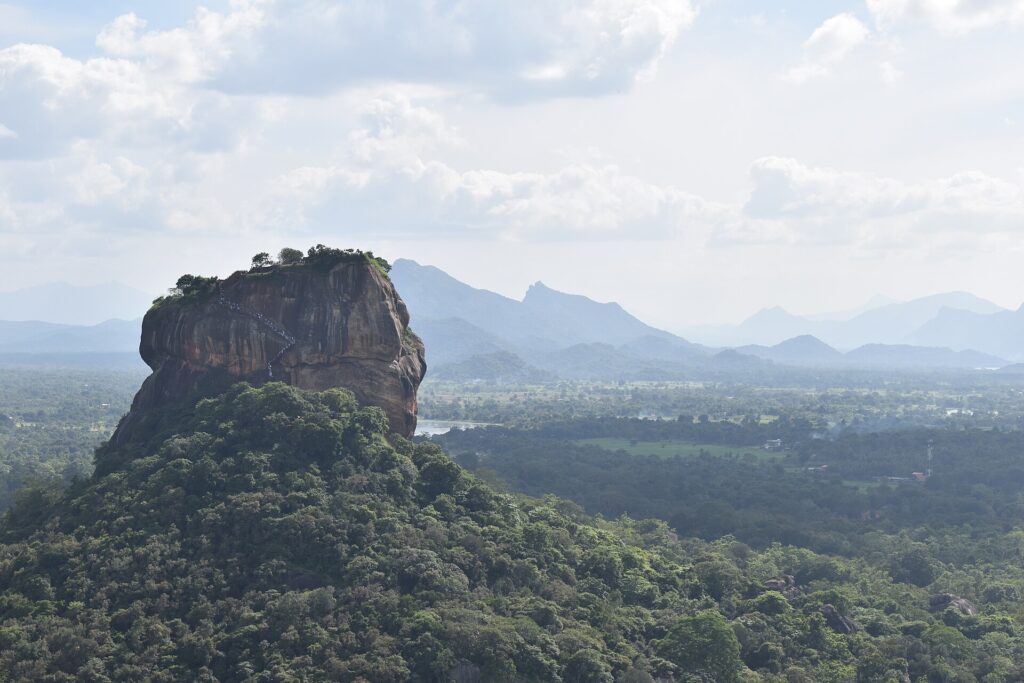 Cultural ImmersionClimb Sigiriya at first lightAn early climb past frescoes and lion's paws to a fifth-century palace on top of a rock.Explore →
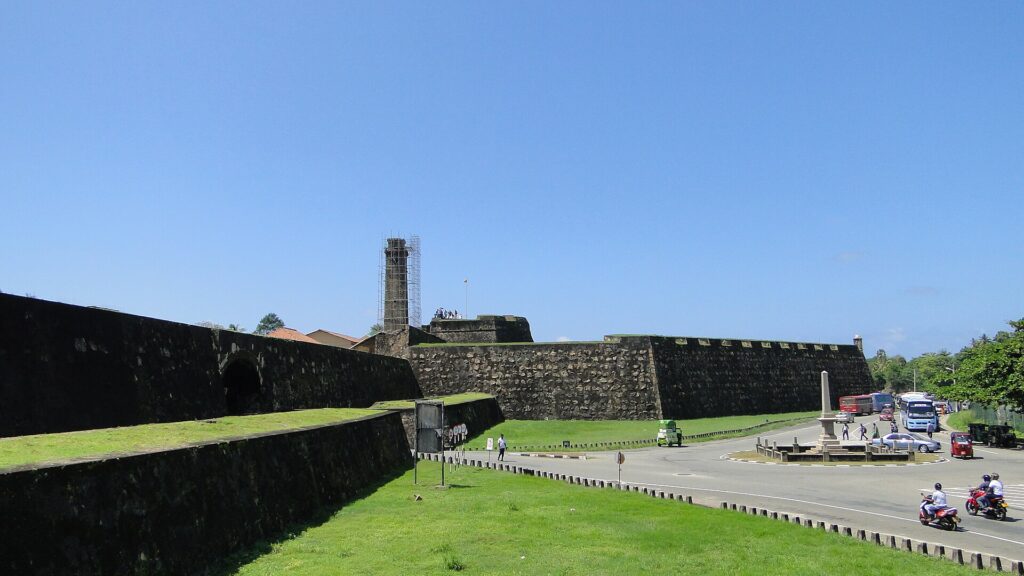 Cultural ImmersionWalk the ramparts of Galle FortAn hour's walk along the sea walls and bastions of a seventeenth-century Dutch fortified town, then into its streets.Explore →
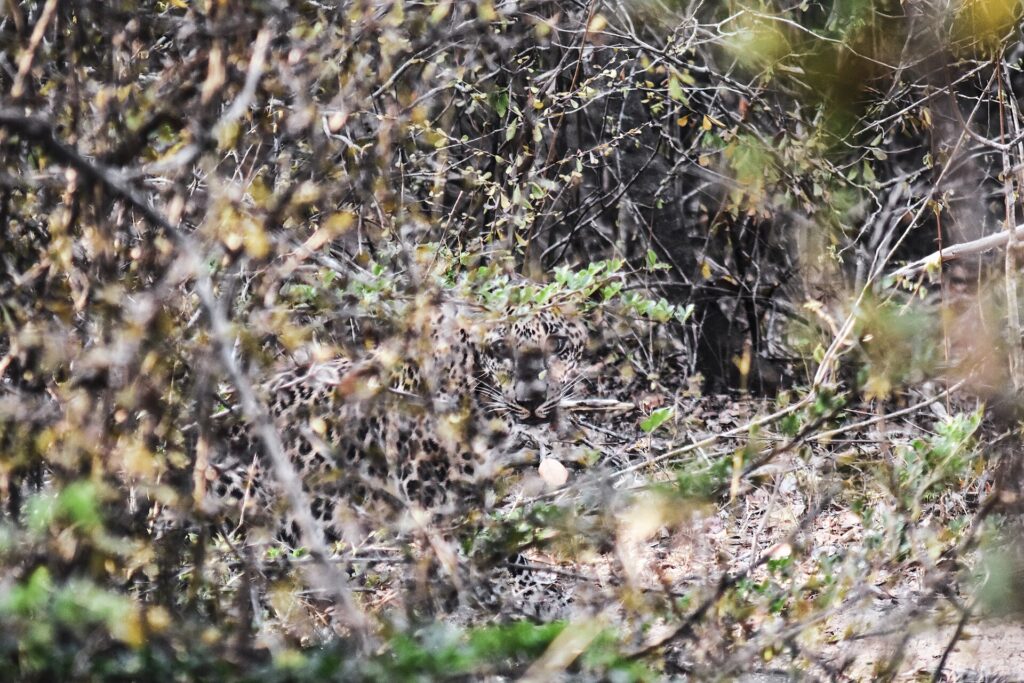 WildlifeGo on a leopard safari in YalaJeep drives at dawn and dusk in a coastal national park with one of the world's highest leopard densities.Explore →
The Journal
Latest on Sri Lanka
Before you go
Practical information
Best time to visit
Sri Lanka has two monsoons, so there is always a good coast somewhere. December to March is the driest period on the south and west coasts, and November to April is best for wildlife in the south. The Maha monsoon, from October to January, affects the east, north and the Ancient Cities. Minneriya’s elephant gathering peaks in August and September, the Esala Perahera falls between May and August, and the Adam’s Peak pilgrimage season runs from December to mid-April.
Getting around
Colombo’s Bandaranaike International Airport is about 35 kilometres north of the city, and most visitors arrive there. Roads are winding and traffic slow, so distances in hours are more useful than kilometres: Kandy is about three hours from Colombo by road, the Cultural Triangle about four to five, and Galle about two on the expressway.
Read more
Most visitors hire a car with a driver for the whole trip, which is the usual way to cover the distances. The Kandy to Ella train through tea country is a highlight, but tickets sell out; book early or use a reserved class. Within towns, tuk-tuks are the usual short-distance transport.
Practical notes
Dress modestly at temples, with shoulders and knees covered and shoes and hats removed. Sacred sites often charge foreigners an entry fee; keep small notes for it. Check current visa and entry rules before travel, and book trains, safari lodges and Perahera seats well ahead.
Continue exploring
More from South Asia
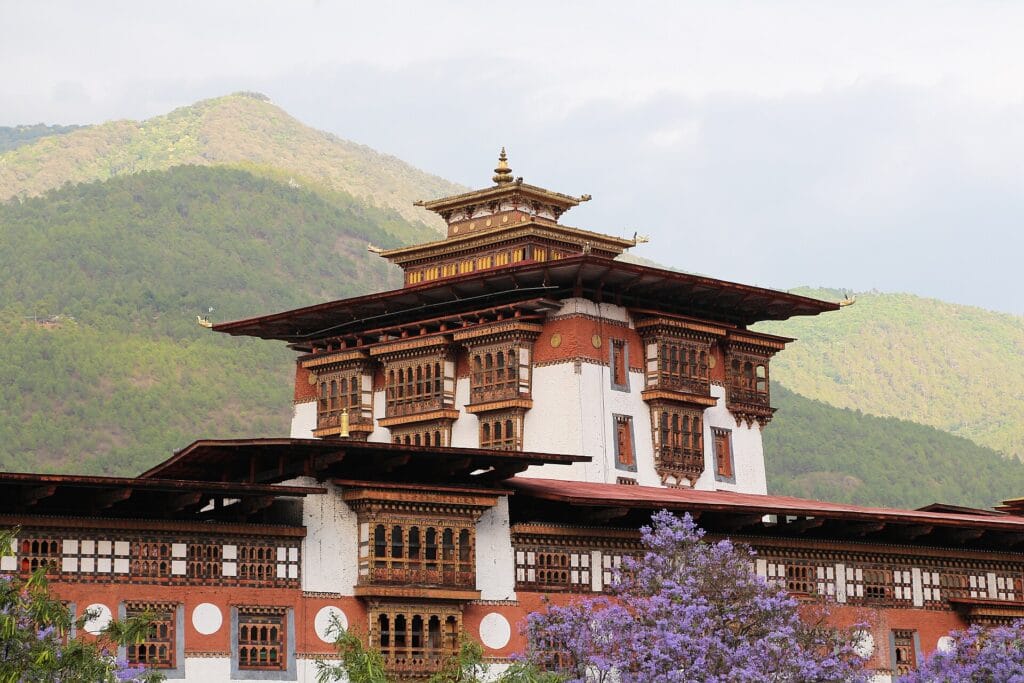 BhutanBhutanA Himalayan kingdom of dzongs, valleys and festivals, travelled lodge to lodge from Paro to Bumthang.Explore Bhutan →
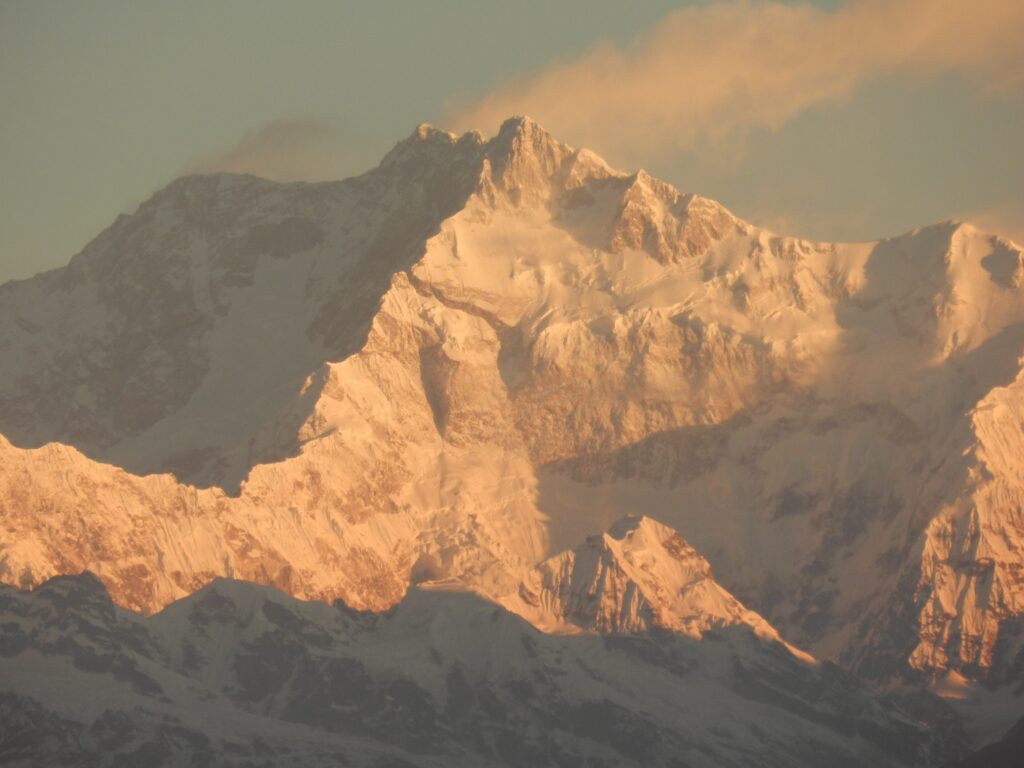 IndiaDarjeelingTea estates, a World Heritage mountain railway and views of Kangchenjunga from a ridge in northern Bengal.Explore Darjeeling →
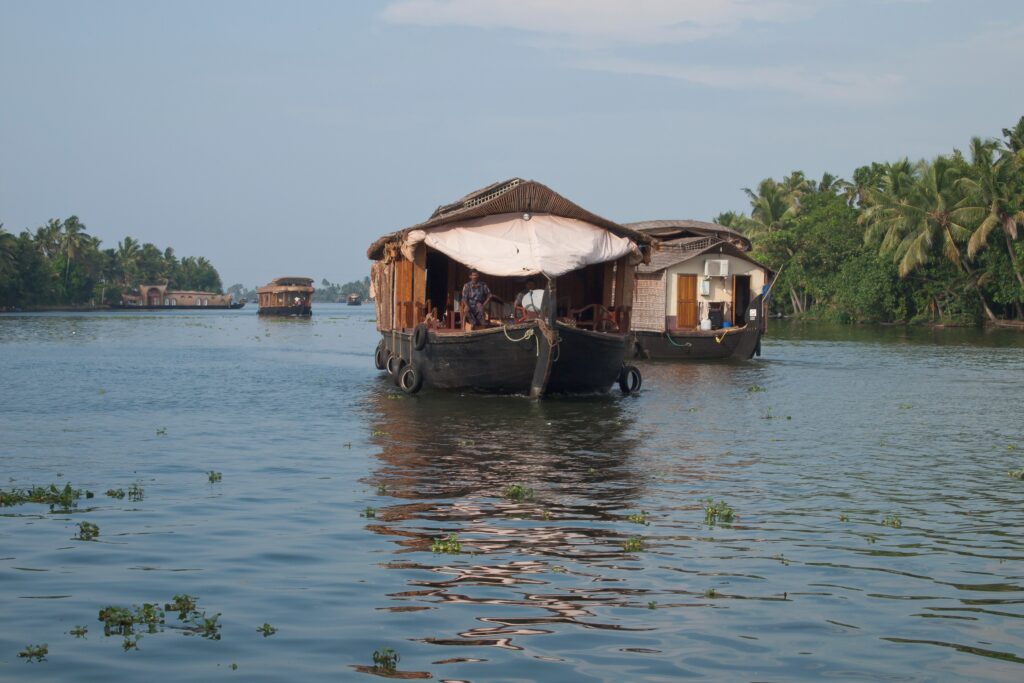 IndiaKeralaBackwaters, the old port of Kochi, the tea hills of Munnar and Ayurveda, on the south-west coast of India.Explore Kerala →