Taiwan Beyond Taipei: Hot Springs, Mountain Railways and New Arts Centres
A route through Taiwan beyond Taipei: Beitou's hot springs, the Alishan Forest Railway and the new arts buildings of Taipei and Kaohsiung.
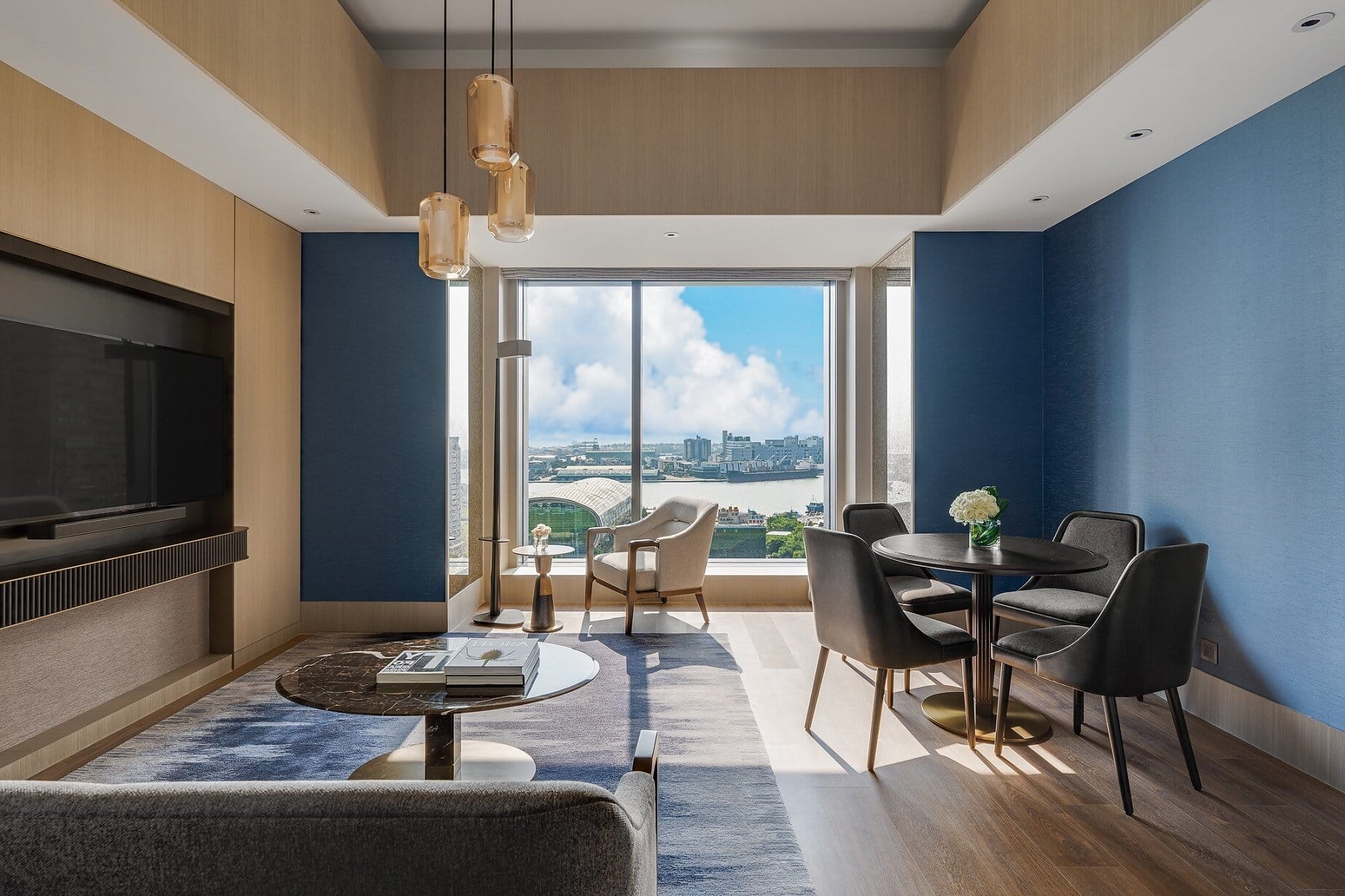
Photo: InterContinental Kaohsiung
Taiwan packs a great deal into a small island, and most of it can be reached by train in an afternoon. The most rewarding first trip runs from the capital’s thermal valley to the cypress mountains of Alishan and south to Kaohsiung’s harbour, linking nature, bathing and a new generation of arts buildings.
Taipei and Beitou: the bathing tradition
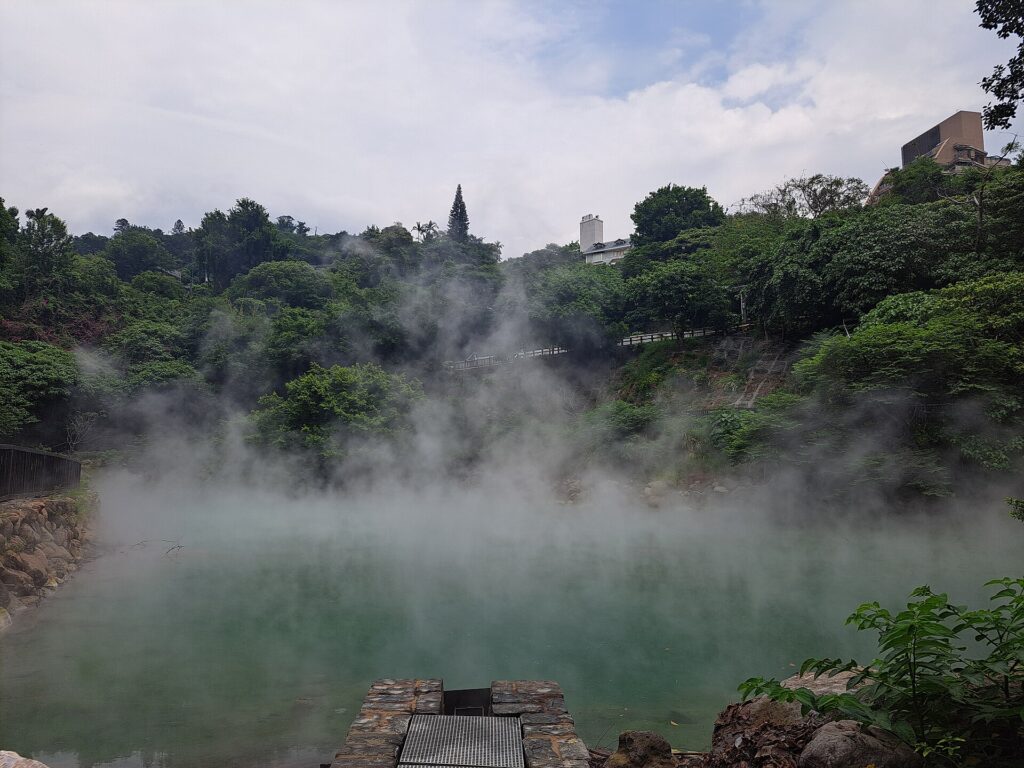
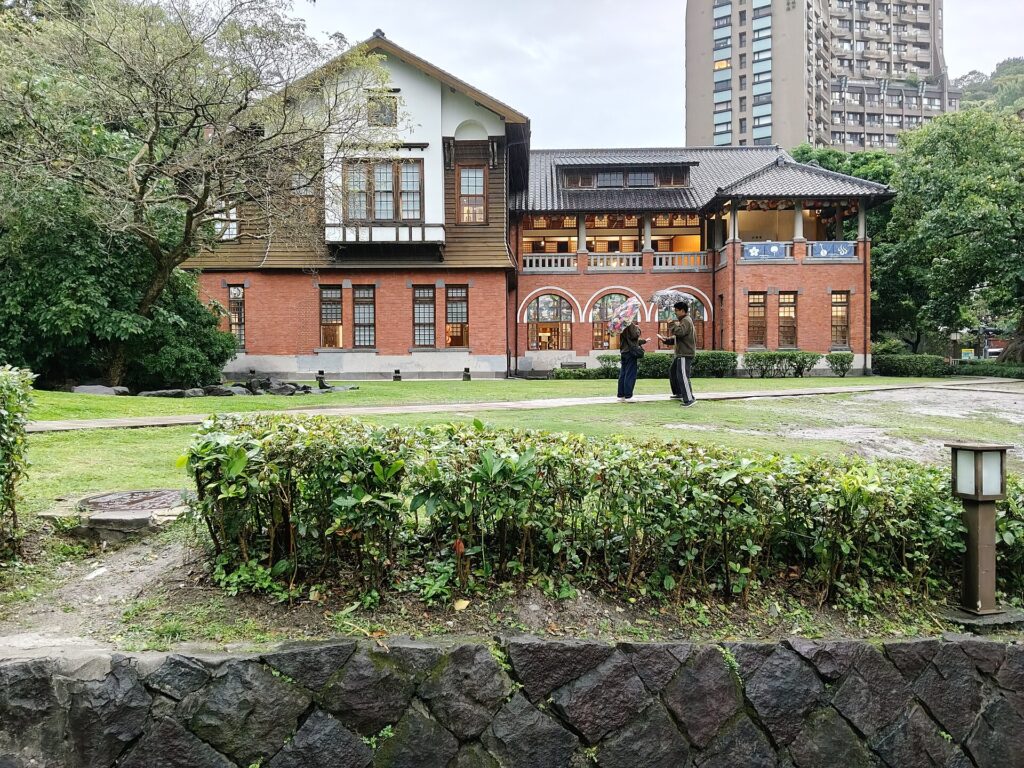
Beitou is the capital’s hot-spring district, reached by a short MRT ride. Its sulphur water comes from the Thermal Valley, a steaming greenish pool at about 90°C, and its bathing culture dates to the Japanese colonial period. The Beitou Hot Spring Museum, a bathhouse built in 1913, is free to enter and keeps its original pools. In Beitou Park, public outdoor pools sit at several temperatures and require swimsuits, while private baths in older Japanese-style houses are separated by sex. The simplest introduction is to soak in the sulphur springs of Beitou in the morning, before the crowds, and be back in town for lunch.
Taipei is also where the new generation of arts buildings begins. The Taipei Performing Arts Center, by OMA, is a cube with a sphere set into it, near the Shilin night market. Capella Taipei, designed by André Fu as a private mansion with 86 rooms, is the quiet, residential-feeling base.
Alishan: the mountain railway
Alishan lies in the cypress mountains above Chiayi, reached by a narrow-gauge forest railway that is over a century old. The full line reopened in 2024 after 15 years of closure following typhoon damage, with services running from Chiayi to Alishan, Fenqihu and Shizilu. Riding the Alishan Forest Railway is as much the point as the destination, a slow climb through changing vegetation to the forest and its sunrise views. Reserve early: seats are released ahead of departure and timetables change, so check the operator’s site before planning around it.
Kaohsiung: the harbour and Weiwuying
Kaohsiung, in the south, is a port city that has turned its docks and former military land into parks and cultural districts. The largest of the new buildings is Weiwuying, the National Kaohsiung Centre for the Arts, designed by Mecanoo and sited on a former military base in a 47-hectare park. Its roof is shaped like a banyan tree, with a covered foyer linking the opera house, concert hall, playhouse and recital hall, and an outdoor theatre where the roof meets the ground. It is described as the largest performing arts centre under one roof, and it makes an easy afternoon even without a performance. Among hotels, InterContinental Kaohsiung occupies a harbour-side tower.
Eating along the route
Taiwan’s restaurant scene has grown quickly, and the Michelin Guide’s 2026 selection for Taiwan recognises dozens of restaurants with stars. Night markets and small noodle shops remain the better introduction to local food, and every city on this route has its own.
Sources: English in Taiwan: Beitou hot springs; Taiwan News: Alishan Forest Railway reopening; Dezeen: National Kaohsiung Centre for the Arts. Check the official websites for current information.
Experiences
Experiences in Taiwan
Journal
From the Journal
 Feature · WellnessTaiwan’s Hot Springs: A Guide to the Island’s Bathing CultureTaiwan has more than a hundred hot springs.October 8, 2026News · TravelCapella Taipei Opens as a Modern Mansion by André FuThe group's first hotel in Taiwan opened in April 2025 with 86 rooms designed by André Fu as a modern mansion.April 1, 2025
 News · TravelTaiwan’s Alishan Forest Railway Reopens in Full After 15 YearsOn 6 July 2024 trains ran again from Chiayi to Alishan, 71 kilometres and more than 2,000 metres of climb.July 6, 2024