ExperienceTokyo, Japan
Watch morning sumo practice in Tokyo
Morning training at a sumo stable in Tokyo, by guided visit or through the street windows of Arashio-beya.
Cultural Immersion · 1.5 to 3 hours · Easy
Professional sumo wrestlers live and train together in stables, called heya, most of them in and around Ryogoku on the east bank of the Sumida in Tokyo. Every morning outside the tournament weeks, they work through the same session, the asageiko: leg stamps, sliding steps, pushing drills and bout after bout in which the winner stays in the ring, with the junior ranks first and the senior wrestlers later in the morning. To watch it from a few metres away is to see the sport without its ceremony, as work.
How visitors can watch
Most stables are closed to the public, or admit visitors only through a guide, and they do not take bookings directly in English. In practice there are two ways in. The first is a guided visit, sold by established tour operators and booking platforms, which takes a small group inside a stable to sit on cushions at the edge of the clay ring for one and a half to three hours, often from seven or eight in the morning; places sell out, so it is worth booking early. The second is free: Arashio-beya, in Nihonbashi-Hamacho, a short way across the river from Ryogoku, has large windows onto the street through which passers-by can watch practice, usually from about 7.30 to 10 in the morning. There is no booking, but there is little room on the pavement, the windows are sometimes covered, and the stable advises calling the afternoon before to confirm that practice is on.
Etiquette
Inside a stable the rules are strict. Arrive on time and stay to the end; bow on entering and leaving; sit quietly, without eating, drinking or talking; never point the soles of your feet at the wrestlers or the ring; and take photographs only without flash, and only if permitted. Wrestlers are not to be touched without asking.
When to go
There is no practice during the six annual tournaments, and stables leave Tokyo for the tournaments in Osaka in March, Nagoya in July and Fukuoka in November; training is often suspended for about a week after each tournament as well. The two weeks before the Tokyo tournaments of January, May and September are the best time, and a day at the grand sumo tournament at Ryogoku Kokugikan completes the picture.
Why OKYTO recommends it
A tournament shows the ritual of sumo; practice shows the hierarchy, the repetition and the sound of two very large men colliding at close range. It is one of the few occasions in Tokyo when a visitor is admitted, on its own terms, to a closed world.
Sources: Japan Travel Planning (2026); Tokyo Cheapo; Time Out Tokyo; Wikipedia, Arashio stable. Practice schedules change without notice; confirm before going.
The Details
Essentials
- Location
- Ryogoku stables (guided) or Arashio-beya, Nihonbashi-Hamacho, Tokyo
- Duration
- 1.5 to 3 hours
- Best time
- Outside tournament weeks; best in the two weeks before the January, May and September tournaments
Planning
- Level
- Easy
Continue
More experiences
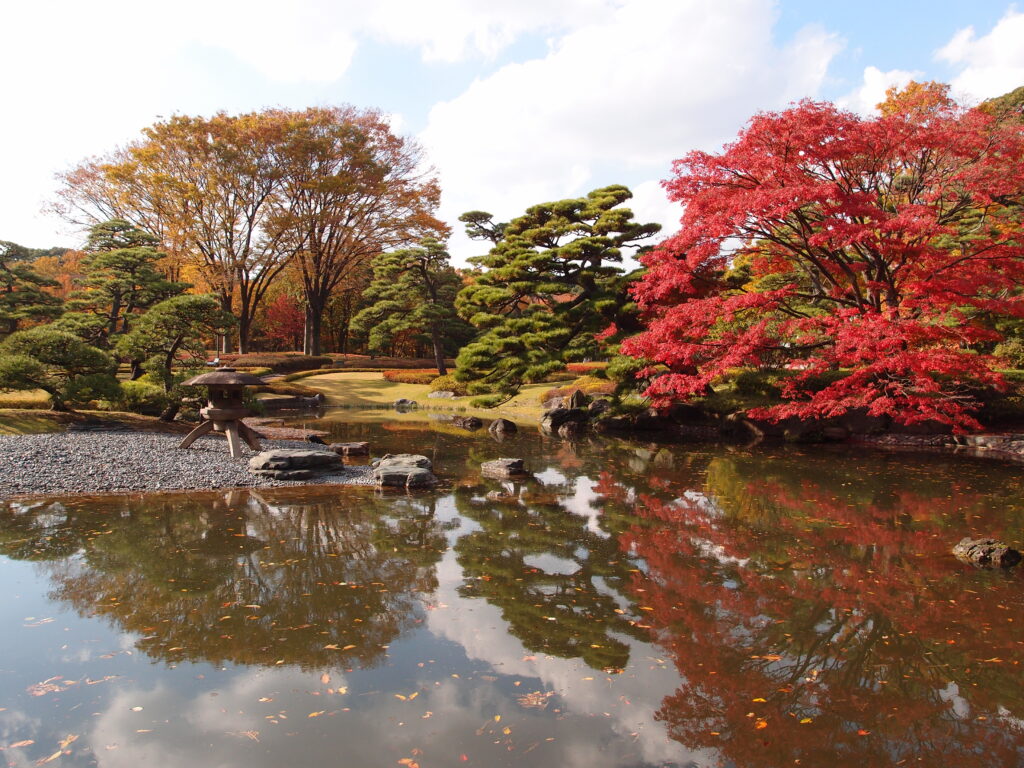 Cultural ImmersionTokyoWalk the East Gardens of the Imperial Palace, on the ruins of Edo CastleWalls, moats and the keep base of the shoguns' castle, now a free garden by Tokyo Station.
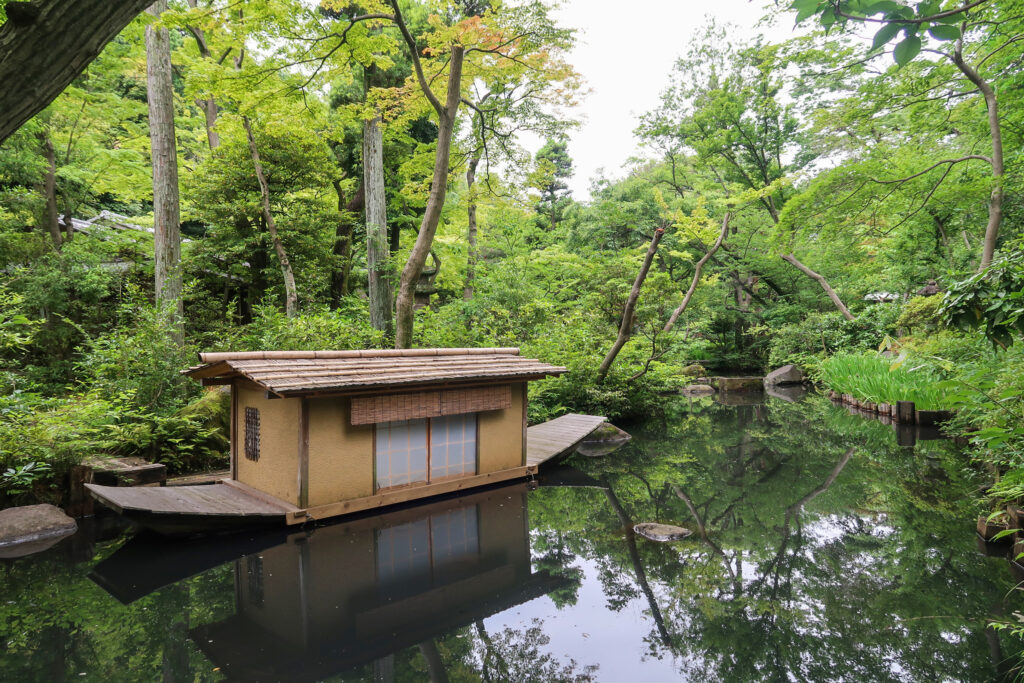 Cultural ImmersionTokyoWalk Omotesando’s architecture to the garden of the Nezu MuseumAndo, Ito, SANAA and Herzog & de Meuron on Omotesando, then Kengo Kuma's Nezu Museum and garden.