Walk among the stone jars on the Plain of Jars
A day among the megalithic stone jars of Xiengkhuang, at three cleared sites around Phonsavan.
Cultural Immersion · Easy; short walks on marked paths
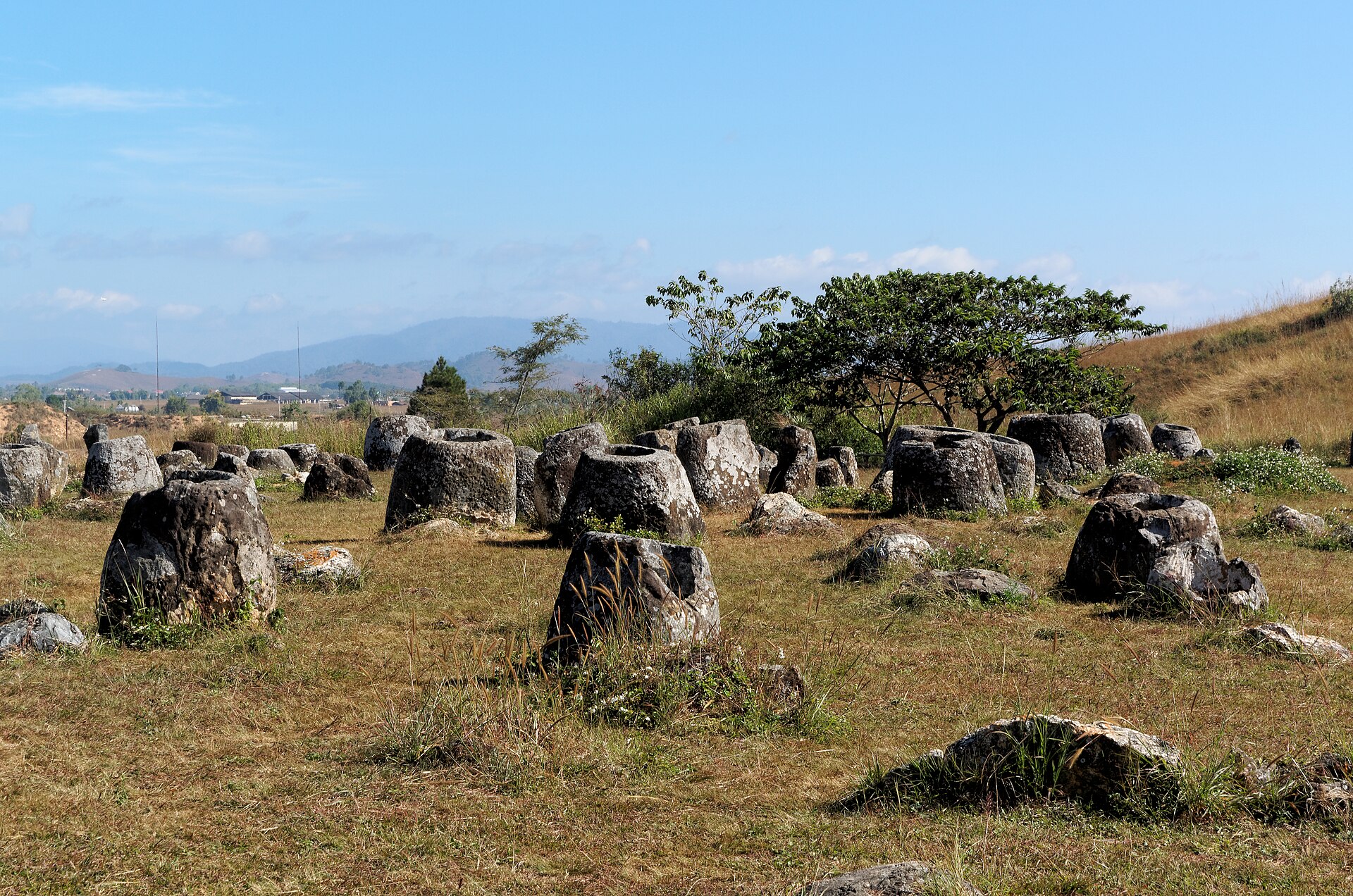
What the experience is
Around the town of Phonsavan, in the province of Xiengkhuang, more than 2,000 jars cut from single blocks of stone lie at many sites. Most are plain cylinders between one and three metres high, and the largest weigh many tons. Archaeologists connect them with burial and date them to the Iron Age. Local legend says a king of giants had them made to brew rice wine for a victory feast. UNESCO listed the sites in 2019.
Three sites are usually visited in a day. Site 1, just outside Phonsavan, is the largest, with several hundred jars on an open hillside, including the biggest of all, and a cave that appears to have been used for cremation. Sites 2 and 3 are smaller and quieter. They stand among trees and rice fields and are reached by short walks across the paddies.
The war in the landscape
The plateau was among the most heavily bombed places on earth between 1964 and 1973, and bomb craters and trenches lie among the jars. Unexploded munitions remain in the province. The opened sites have been cleared, and the cleared paths are shown by markers set in the ground. Visitors must stay within them. The rule is not a formality.
When to go
November to March is the best period. The plateau lies at about 1,100 metres and is cool, with cold nights in December and January. The rainy months turn the tracks to mud.
Getting there
Phonsavan has an airport with domestic flights. By road it is a long and winding drive over the mountains from Luang Prabang, usually most of a day. A car and driver from Phonsavan cover the three sites in a day, and two nights in the town are enough.
Why OKYTO recommends it
Few ancient sites are so little explained. There are no inscriptions and no temples, and far fewer visitors than at the major sites of the region, only the jars on their hills and the wind in the grass. The marks of the war beside them make the visit sobering as well as strange. It rewards travellers who have already seen Luang Prabang and want to go further.
The Details
Essentials
- Location
- Phonsavan, Xiengkhuang; gateway Luang Prabang or Vientiane
- Duration
- 1 day for three sites; 2 nights in Phonsavan
- Best time
- November to March
Planning
- Level
- Easy; short walks on marked paths
Continue
More experiences
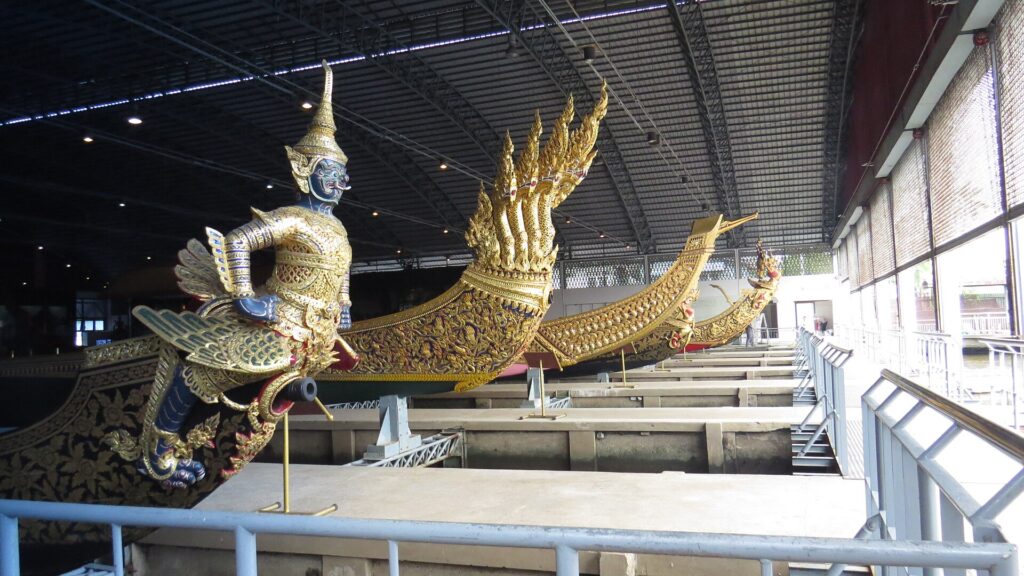 Cultural ImmersionBangkokExplore the khlongs of Thonburi by long-tail boatA long-tail boat through the stilt-house canals of Thonburi, past temples, mosques and the Royal Barges Museum.
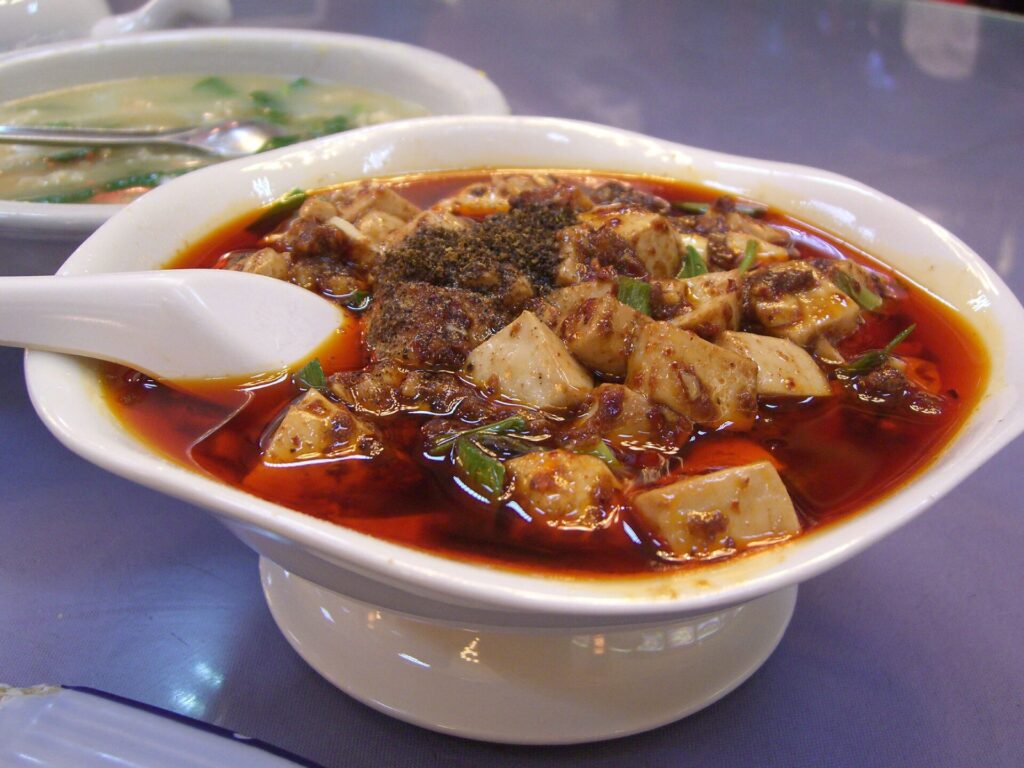 Cultural ImmersionChengduLearn Sichuan cooking in a Chengdu kitchenA market visit and hands-on class in the compound flavours of Sichuan cuisine.