ExperienceNepal, Nepal
Trek to Everest Base Camp
A two-week walk from Lukla through Sherpa country to the foot of Everest at 5,364 metres.
Trek
What the experience is
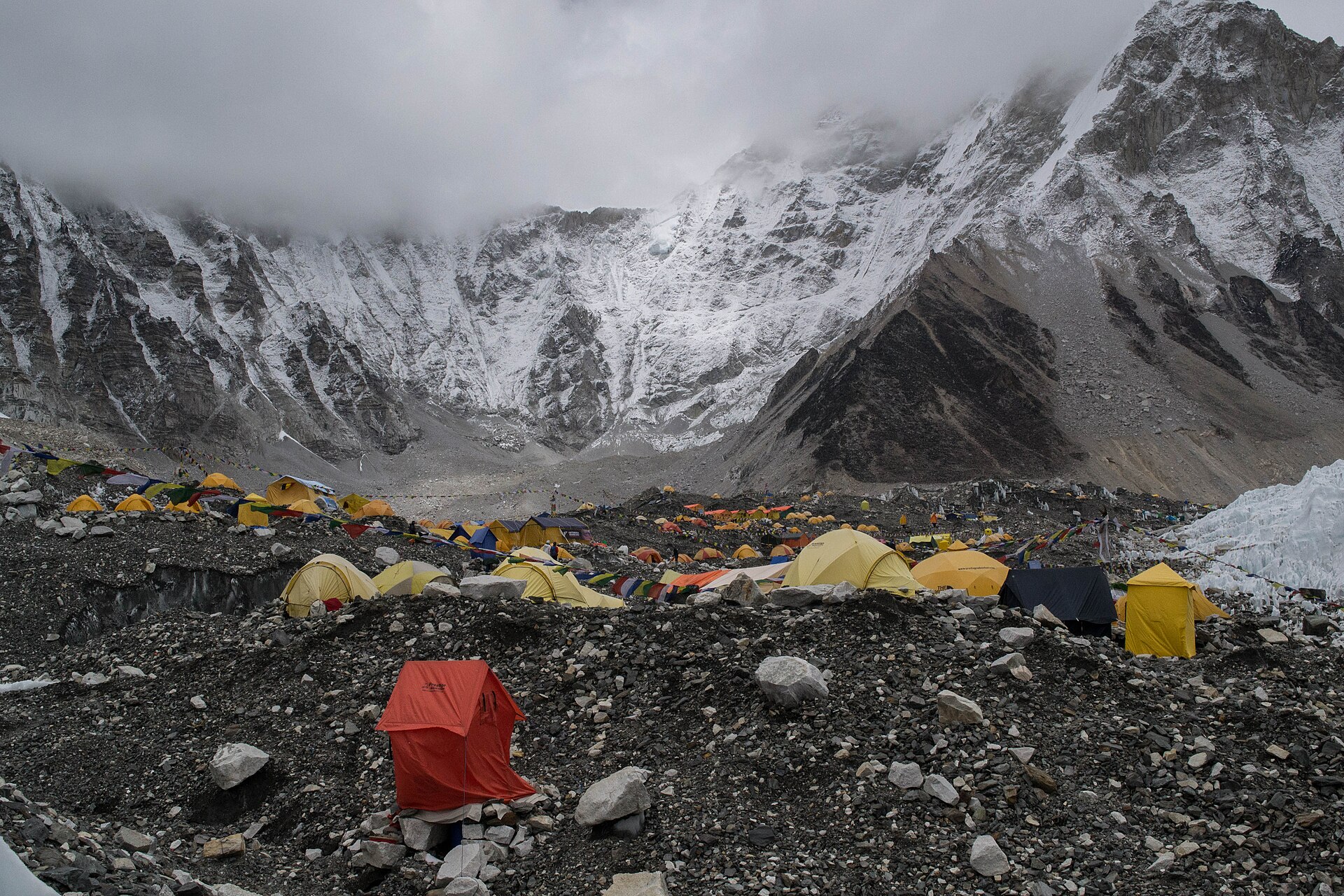
The south base camp of Everest lies at 5,364 metres on the Khumbu glacier in eastern Nepal. It is where climbing expeditions set up in spring. Tens of thousands of people a year walk to it from Lukla, making this one of the best-known treks in the world.
The route runs through Sagarmatha National Park, a World Heritage site since 1979, which covers 1,148 square kilometres and rises from 2,845 metres to the summit of Everest at 8,848. The park also contains Lhotse, Cho Oyu, Nuptse, Pumori and Ama Dablam, and the villages of the Sherpa people.
The route
Most trekkers fly from Kathmandu to Lukla, at about 2,850 metres. Two days up the valley of the Dudh Kosi, past the park gate at Monjo, lead to Namche Bazaar at 3,440 metres, the market town of the Sherpas, where a rest day is taken. The traditional trail continues by the monastery of Tengboche to Dingboche, at 4,260 metres, and a second rest day. From there it follows the edge of the glacier to the last lodges at Gorak Shep.
Base camp itself is a stretch of rock and ice, and Everest’s summit cannot be seen from it. The view comes from Kala Patthar, a hill of 5,545 metres above Gorak Shep, climbed at dawn or dusk. The descent to Lukla takes three or four days.
When to go
March to May and late September to November. Spring brings rhododendrons in flower and the expedition tents at base camp. Autumn has the clearest skies.
Good to know
The difficulty is altitude, not terrain. The path is a well-made trail with lodges and tea houses throughout, but the body needs time to adjust, and the rest days at Namche and Dingboche should never be dropped. Anyone who develops symptoms of altitude sickness must stop ascending and, if they persist, go down.
Two permits are required: the Sagarmatha National Park entry permit and a trek card from the local Khumbu Pasang Lhamu rural municipality, both bought at Lukla or Monjo or in Kathmandu. The rules on guides are disputed. Since April 2023 Nepal’s tourism board has required trekkers to hire a licensed guide, but the local municipality of the Khumbu, where the trail runs, has declined to enforce it and charges its own entry fee alongside the national park permit. A licensed guide is the sensible choice either way, and the position should be checked with the agent before departure. Flights to Lukla depend on the weather and are frequently delayed; in the busy seasons many leave from Ramechhap, a pre-dawn drive from Kathmandu. Allow two or three spare days before an international connection. A licensed guide and a porter make the walk safer and support local families.
Why OKYTO recommends it
It is a walk through an inhabited mountain culture, with monasteries, prayer walls and yak trains, and it ends beneath the highest peaks on earth. For a gentler Himalayan journey, consider Shinta Mani Mustang in the dry valleys west of Annapurna, or the Trans Bhutan Trail. Our page on Nepal sets out the options.
The Details
Essentials
- Location
- Lukla (2,846 m), by air from Kathmandu
- Duration
- 12 to 14 days from Lukla and back, including two acclimatisation days
- Best time
- March to May and late September to November
Planning
- Level
- Demanding (high altitude to 5,545 m; no technical climbing)
Continue
More experiences
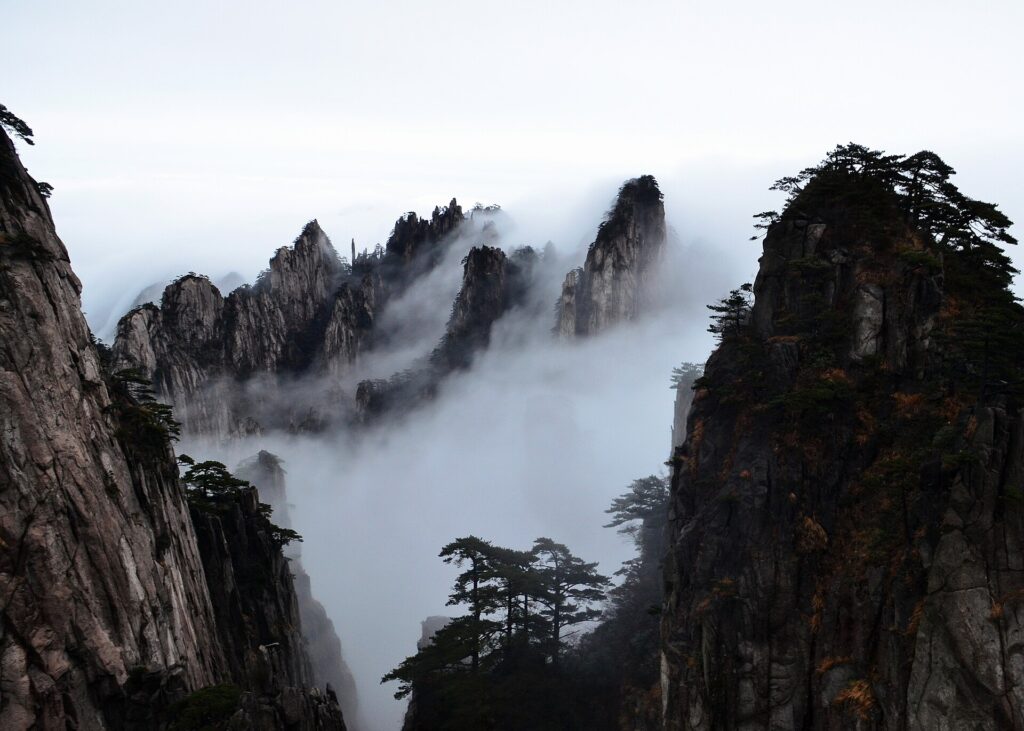 TrekClimb Huangshan and sleep on the summitA night among the granite peaks of the Yellow Mountain, for sunset and sunrise over the cloud.