Beijing’s Central Axis Joins the UNESCO World Heritage List
UNESCO listed the 7.8-kilometre line of gates, palaces and temples that organises old Beijing on 27 July 2024, as China's 59th World Heritage site.
The Beijing Central Axis was added to the UNESCO World Heritage List on 27 July 2024, at the session of the World Heritage Committee held in New Delhi. Its full title is Beijing Central Axis: A Building Ensemble Exhibiting the Ideal Order of the Chinese Capital, and it became China’s 59th World Heritage site.
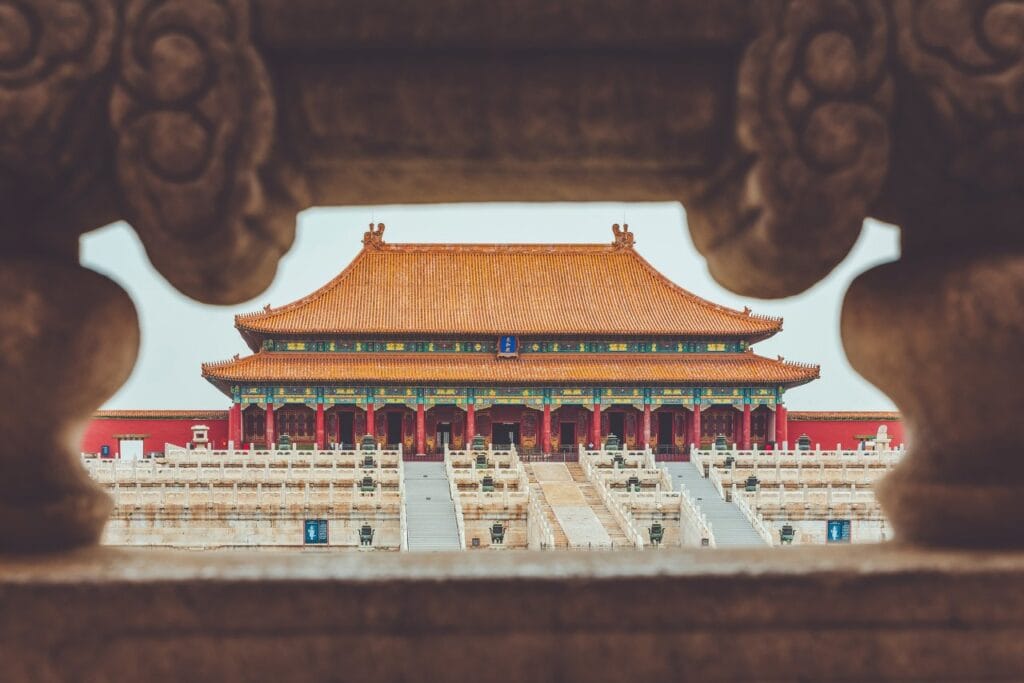
The axis is a line 7.8 kilometres long that runs north to south through the old city. It was first laid out in the 13th century, when the Mongol Yuan dynasty built its capital here, and took its final form under the Ming in the 16th. Along it, and symmetrically on either side, stand the buildings that expressed the order of the imperial state. From north to south they include the Bell and Drum Towers, which kept the time of the city; Jingshan, the artificial hill behind the palace; the Forbidden City; the Imperial Ancestral Temple and the Altar of Land and Grain on either side of the approach; Tiananmen and its square; the gate of Zhengyangmen; the Temple of Heaven and the Temple of Agriculture facing each other across the avenue; and Yongdingmen, the southern gate of the outer city.
The listed property covers 589 hectares, with a buffer zone of more than 4,500 hectares that takes in much of the surrounding old town. Several of the components, including the Forbidden City and the Temple of Heaven, were already World Heritage sites in their own right. What the new inscription recognises is the ensemble: the committee described the axis as a unique type in the history of world cities, a plan that gave physical form to Chinese ideas of centrality, hierarchy and harmony.
The listing followed more than a decade of preparation, during which buildings were restored, later structures removed and parts of the route reopened to pedestrians. It also drew attention to the hutong neighbourhoods on either side of the line, which lie within the buffer zone.
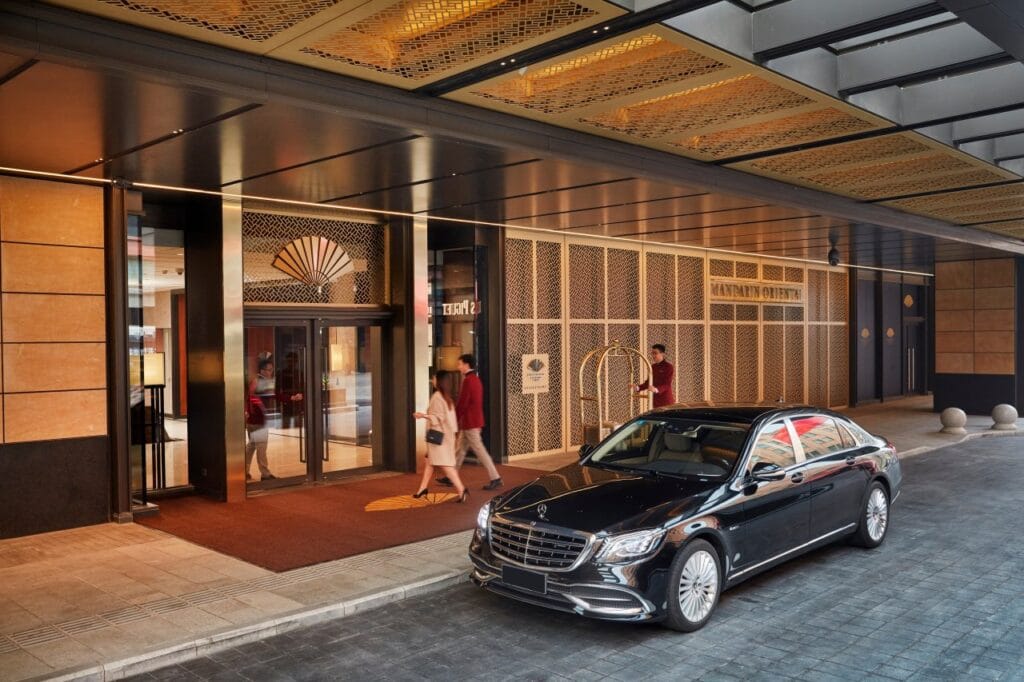
For visitors to Beijing, the axis offers a way of understanding the city that a list of monuments does not: walked or cycled in sections from the Drum Tower down to the Temple of Heaven, it explains why everything is where it is. Two hotels lie close to it, Mandarin Oriental Wangfujing, east of the Forbidden City, and Mandarin Oriental Qianmen, which opened in the lanes south of Tiananmen a few weeks after the inscription.
Continue
More from Beijing
 ChinaBeijingChina's imperial capital: Forbidden City, hutong lanes and Great Wall.Read →
 News · Food & DrinkMichelin Guide Beijing Debuts With Xin Rong Ji on TopBeijing's first Michelin selection named 23 starred restaurants.November 28, 2019Read →
 News · TravelMandarin Oriental Wangfujing Opens in BeijingA 73-key hotel above WF Central gives Mandarin Oriental its first Beijing address, with Forbidden City views.March 18, 2019Read →News · TravelSix Senses Plans a Courtyard Retreat in Beijing’s Imperial Garden DistrictAnnounced in 2026, Six Senses Beijing will have 75 rooms in courtyard buildings among restored rice paddies.October 3, 2026Read →