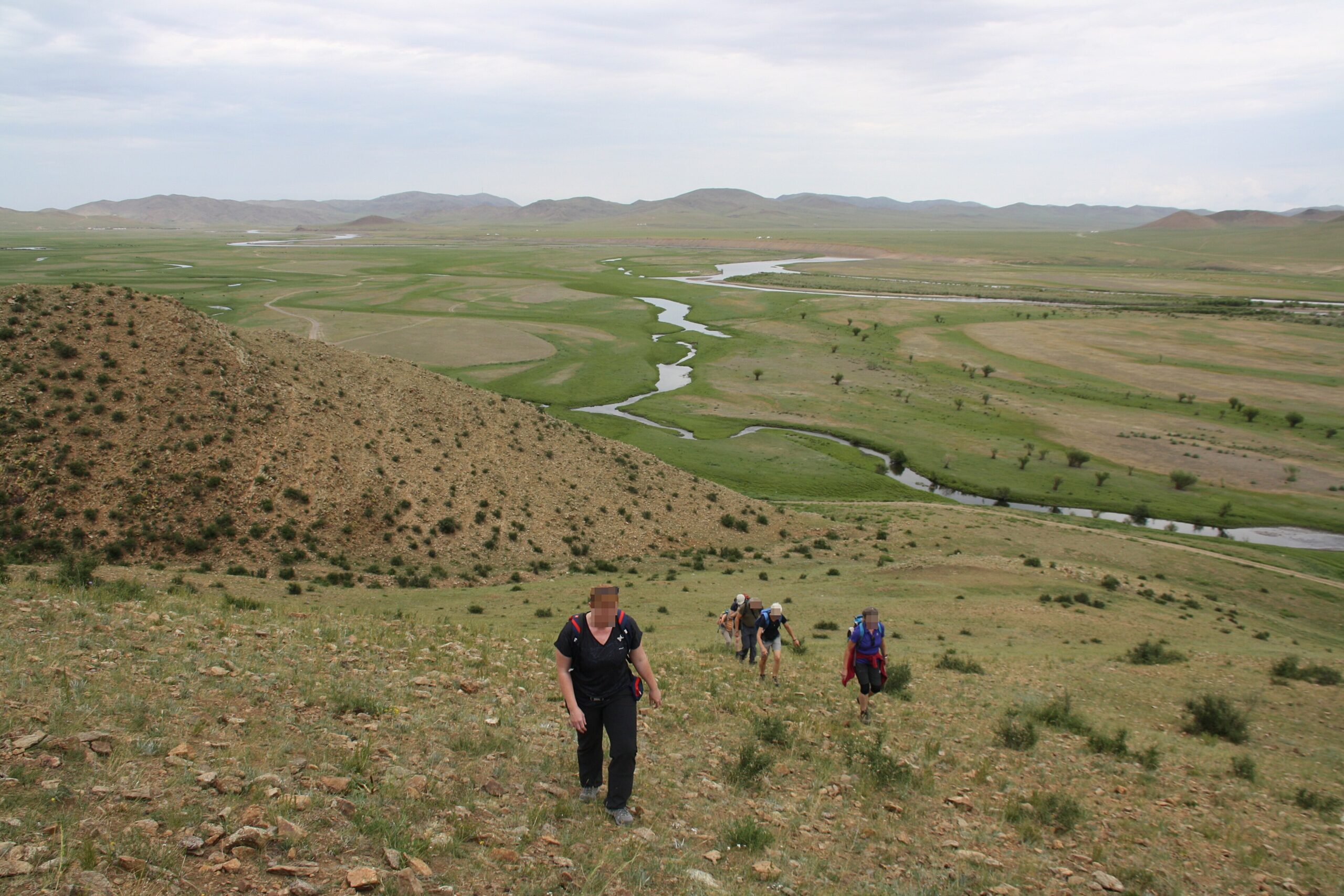
Mongolia
Mongolia · East Asia
Steppe, Gobi and the Altai: ger camps, nomadic culture and a capital with a new national museum.
Why visit
Why visit Mongolia
Mongolia offers open space and a culture of herders that is still visible from a ger window. It was once the heart of a nomadic empire, and visitors can still take horse or camel journeys and stay in traditional gers. The Gobi has virtually no light pollution, which makes it excellent for stargazing.
The hotel scene is built around the ger. Three Camel Lodge was opened in 2002 by Jalsa Urubshurow, founder of the tour operator Nomadic Expeditions, who had been bringing travellers to Mongolia since the country reopened in 1990 and could find nowhere suitable for them to stay.
Explore
What to see
In the Gobi, the red-orange cliffs of Bayanzag, known as the Flaming Cliffs, are where the first dinosaur eggs were found by Roy Chapman Andrews. The dunes of Khongoryn Els are climbable and can make a “singing” sound, and Yolyn Am is a gorge that holds ice. A private crossing of the Gobi links them.
West of Ulaanbaatar, Karakorum was the thirteenth-century capital of the Mongol empire, in the Orkhon Valley, a UNESCO World Heritage cultural landscape that has Erdene Zuu monastery and the Orkhon Waterfall. Far to the west, the Altai in Bayan-Olgii is home to Kazakh nomads who hunt with trained golden eagles; time with the eagle hunters is one of the country’s most distinctive experiences.
Lake Khovsgol in the north holds nearly 2 per cent of the world’s fresh water and freezes thick enough to drive across in winter, when an ice festival is held. Closer to the capital, Gorkhi-Terelj National Park is about an hour and a half from Ulaanbaatar and offers rock formations such as Turtle Rock, hiking and ger stays. In the city, the Chinggis Khaan National Museum has more than 10,000 objects on display, over 85 per cent of them originals, and pairs well with the Gandan monastery and the Choijin Lama temple museum. In July, the capital and the countryside stop for the wrestling, archery and horse racing of the Naadam: join the Naadam festival.
Hotels
Where to stay in Mongolia
Accommodation outside the capital is mostly in gers. Three Camel Lodge, in the South Gobi inside Gobi Gurvansaikhan National Park, has 40 traditional felt-and-canvas gers with private bathrooms and wood-burning stoves, and a stone-and-timber main lodge with the restaurant, bar and lounge, with the Gobi-Altai range on the horizon. The camp was built, and is staffed, by people from the surrounding area.
Experiences
Experiences in Mongolia
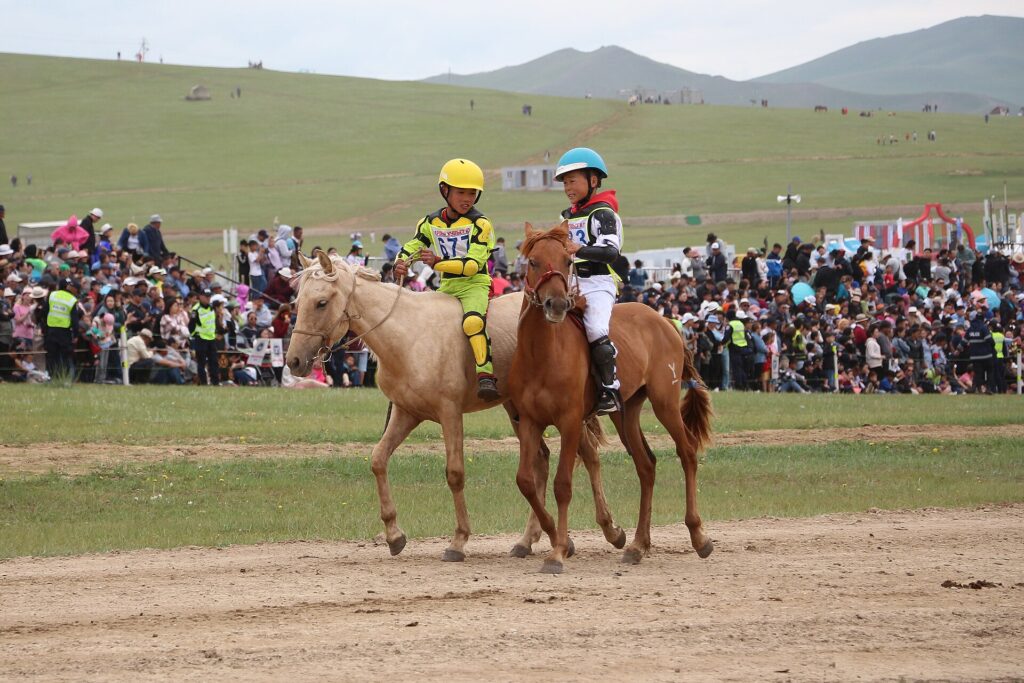 EventJoin the Naadam festival in MongoliaThree days of wrestling, archery and horse racing at Mongolia's national festival in July.Explore →
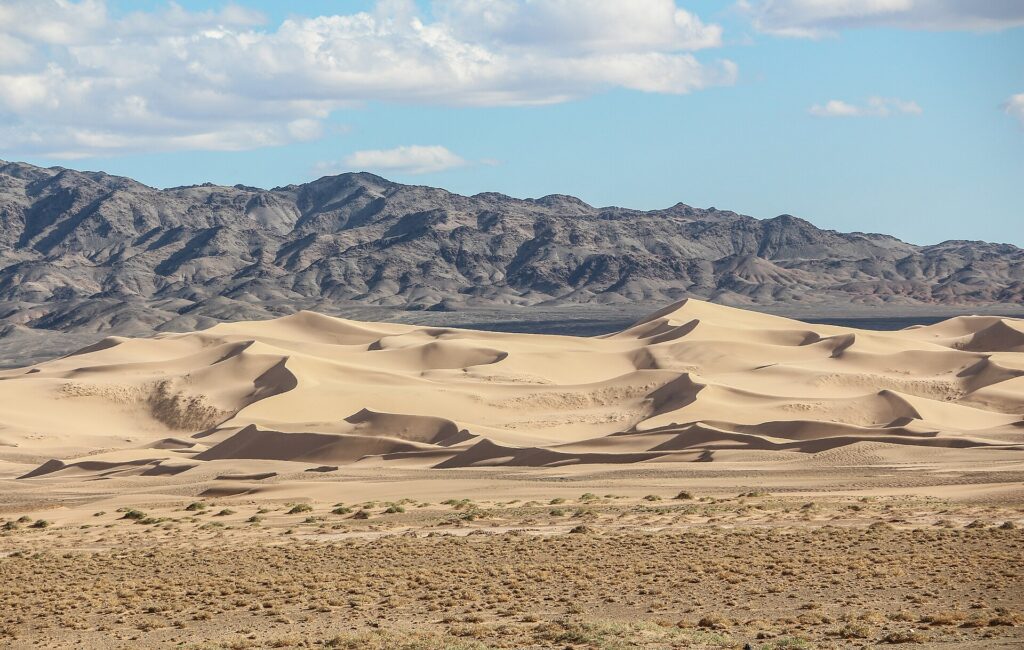 ExpeditionCross the Gobi on a private expeditionSinging dunes, red cliffs where dinosaur eggs were found, a gorge with ice in summer. A private 4x4 journey through southern Mongolia, with ger camps for the nights.Explore →
 Cultural ImmersionSpend time with Mongolia’s eagle-hunter cultureIn the Altai Mountains of far western Mongolia, Kazakh families have hunted with golden eagles on horseback for generations. To meet them is to spend time in a living, and changing, tradition.Explore →
The Journal
Latest on Mongolia
Before you go
Practical information
Best time to visit
Mid-June to late August is the best time, with sunny days and a little rain; September is quieter. Only the southern Gobi is truly hot in summer. Winter is long and extreme, and travel from October to March is not advised. Autumn is ideal for the Gobi, and the Golden Eagle Festival, with competitions between hunters and their eagles, is held in autumn. Naadam, with archery, horse racing and wrestling, falls in the June to July period, and July availability can be limited.
Getting around
Most people fly within Mongolia from Ulaanbaatar, since driving can take more than 36 hours; Chinggis Khaan International Airport is about 52 kilometres south of the city. Public buses serve the capital but taxis are scarce, and some roads can be icy in winter and spring. Entry rules change, so check visa requirements before you travel.
Practical notes
Money changing and credit cards are limited outside Ulaanbaatar, and English is not widely spoken. Air pollution in Ulaanbaatar can worsen respiratory conditions in winter.
Continue exploring
More from East Asia
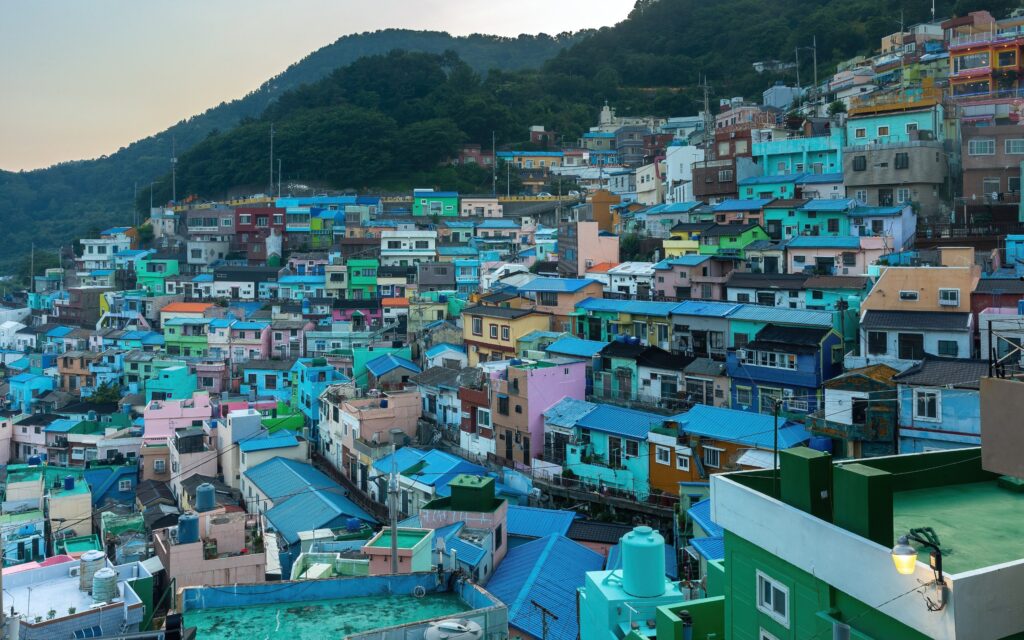 South KoreaBusanSouth Korea's second city and largest port, on the south-east tip of the peninsula, with a beach district of towers and a growing MICHELIN Guide scene.Explore Busan →
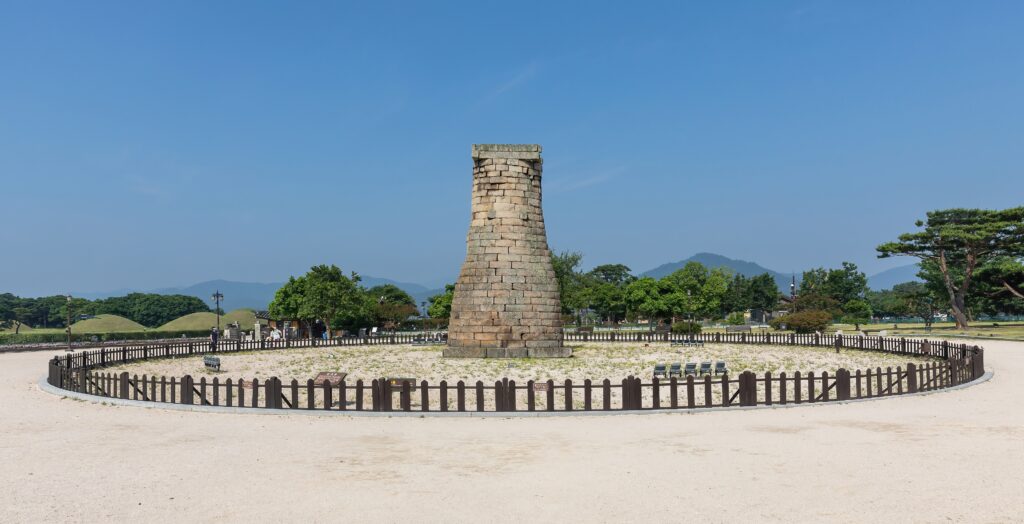 South KoreaGyeongjuThe old capital of Silla: royal tombs, Asia's oldest surviving observatory, Bulguksa and Seokguram, and two lakeside hotels at Bomun Lake.Explore Gyeongju →
 JapanIse-ShimaA national park on Mie's Shima Peninsula, where Japan's most sacred shrine stands near the pearl rafts of Ago Bay and a hot-spring Aman.Explore Ise-Shima →